6 Hit 70s Movies That Aged Like Milk

Robert King
Updated on May 17, 2026
By Published Apr 25, 2026, 9:45 AM EDT Richard Craig is a Senior Author at Screen Rant covering film and TV. Richard has also written extensively about horror and film soundtracks, contributing a chapter to the first major academic collection on the folk horror genre, The Routledge Companion to Folk Horror. Richard is also a performing musician and holds an MA in Music and Sound Art. Summary Generate a summary of this story follow Follow followed Followed Like Like Log in Here is a fact-based summary of the story contents: Try something different: Show me the facts Explain it like I’m 5 Give me a lighthearted recap
Some of the absolute greatest movies from the 1970s look very different when watched today. The 1970s are often remembered as one of Hollywood’s boldest and most transformative decades. It was a time when filmmakers pushed boundaries, challenged norms, and reshaped what mainstream cinema could look like.
From gritty dramas to crowd-pleasing musicals, the era delivered countless hits that still get celebrated today. But revisiting some of those beloved films with modern sensibilities reveals a more complicated picture. What once felt edgy or entertaining can now come across as tone-deaf, uncomfortable, or outright troubling.
That’s because cultural standards evolve. Themes around gender roles, consent, and representation have shifted dramatically in the decades since these movies first hit theaters. Moments that audiences once laughed off (or didn’t question at all) now stand out in ways that are hard to ignore.
While nostalgia can soften the edges, it can’t completely hide the deeper issues embedded in some of these stories. Not every classic ages gracefully. Some, despite their popularity and influence, feel more like artifacts of outdated attitudes than timeless entertainment. When loser examined, a few of the biggest hits of the late ’70s haven’t just aged – they’ve curdled.
Saturday Night Fever (1977)

Few films are as synonymous with , but beneath the iconic soundtrack and slick dance sequences lies a story that feels deeply uncomfortable today. The film follows Tony Manero, played by John Travolta, as a working-class Brooklyn teen navigating life, masculinity, and identity.
However, its portrayal of those themes hasn’t aged well – especially when it comes to how it treats women. Saturday Night Fever is steeped in toxic masculinity, with Tony and his friends frequently objectifying women and asserting dominance in ways that are played as normal, if not admirable.
More troubling are scenes involving sexual coercion and assault, which are depicted with an unsettling lack of seriousness. What might have once been brushed off as gritty realism now feels disturbingly casual. Then there’s the film’s depiction of disco culture itself.
While disco was rooted heavily in Black, Latino, and LGBTQ+ communities, Saturday Night Fever largely sidelines that history in favor of a straight, white male perspective. The result is a version of the scene that feels sanitized and exclusionary. Saturday Night Fever is still a culturally significant film, but one that’s much harder to celebrate without acknowledging its flaws.
Grease (1978)

On the surface, Grease looks like pure fun – a colorful, high-energy musical packed with catchy songs and nostalgic charm. However, scratch beneath the surface, and its messaging around gender and identity feels surprisingly regressive.
The film’s central romance between Danny and Sandy, and Olivia Newton-John, ultimately hinges on a troubling idea: that changing yourself to meet someone else’s expectations is the key to happiness. (from wholesome and reserved to leather-clad and hyper-sexualized) is framed as empowering, but it’s hard not to see it as her abandoning her identity to fit Danny’s world.
Meanwhile, Grease repeatedly categorizes women into narrow stereotypes, admonishing virgins as prudes while also slut-shaming those who are sexually active. Even the lyrics haven’t aged well. Songs like “Summer Nights” include moments that gloss over consent in ways that feel jarring today.
Further, while it’s part of the film’s theatrical charm, the fact that most of the cast were well into adulthood while playing teenagers adds an unintentionally awkward layer, making it much harder to excuse their childish behavior. Grease remains a pop culture staple, but its outdated attitudes are impossible to ignore.
Meatballs (1979)

As one of the defining summer camp comedies of its era, Meatballs helped launch the career of Bill Murray and set the tone for countless teen comedies that followed. Its irreverent humor and laid-back vibe made it a hit at the time, but revisiting it now reveals a number of moments that feel far less harmless.
Murray’s character, Tripper, is positioned as a charming, rule-breaking mentor figure. However, some of his behavior crosses lines that modern audiences are far less willing to overlook. In particular, a scene involving Tripper forcing himself on Roxanne while she repeatedly pleads with him to stop. When interrupted by another character, he blames Roxanne.
Related
These hit ’80s movies were once beloved, but their outdated humor, themes, and portrayals feel jarring and out of step with modern audiences today.
Posts By
A sexual assault played for laughs is horrible to watch, highlighting how casually films of the era could treat issues of consent. Moreover, Tripper is actually rewarded for his actions, ultimately becoming a couple with Roxanne by the movie’s conclusion. This was presented as an acceptable form of courtship in Meatballs, but it’s clearly assault.
Propagating this as “courtship” is wildly dangerous, modeling a behavior for the public that ultimately rewards abuse and ignoring the pleas of women. The broader tone of Meatballs leans heavily on juvenile humor and boundary-pushing antics, many of which rely on humiliation or inappropriate behavior as the punchline.
Last Tango In Paris (1972)

Few films from the 1970s carry as much controversy as Last Tango in Paris, and with good reason. Directed by Bernardo Bertolucci and starring Marlon Brando alongside Maria Schneider, the film was once hailed as a daring exploration of grief, intimacy, and anonymity.
Today, however, it’s nearly impossible to separate the film from the disturbing reality behind one of its most infamous scenes. The so-called “butter scene” has become a focal point of criticism, not just for what it depicts, but for how it was created. The scene depicts Schneider’s character being sexually assaulted by Brando.
However, Schneider later revealed that she was not fully informed about the details of the scene beforehand, leaving her feeling humiliated and violated during filming. Knowing this context fundamentally changes how the moment plays – it no longer feels like provocative cinema, but something far more unsettling and exploitative.
What might have once been defended as boundary-pushing art now raises serious ethical questions about consent, power, and the treatment of actors. Last Tango In Paris’s rawness, once considered its greatest strength, becomes deeply uncomfortable when viewed through this lens.
The Deer Hunter (1978)
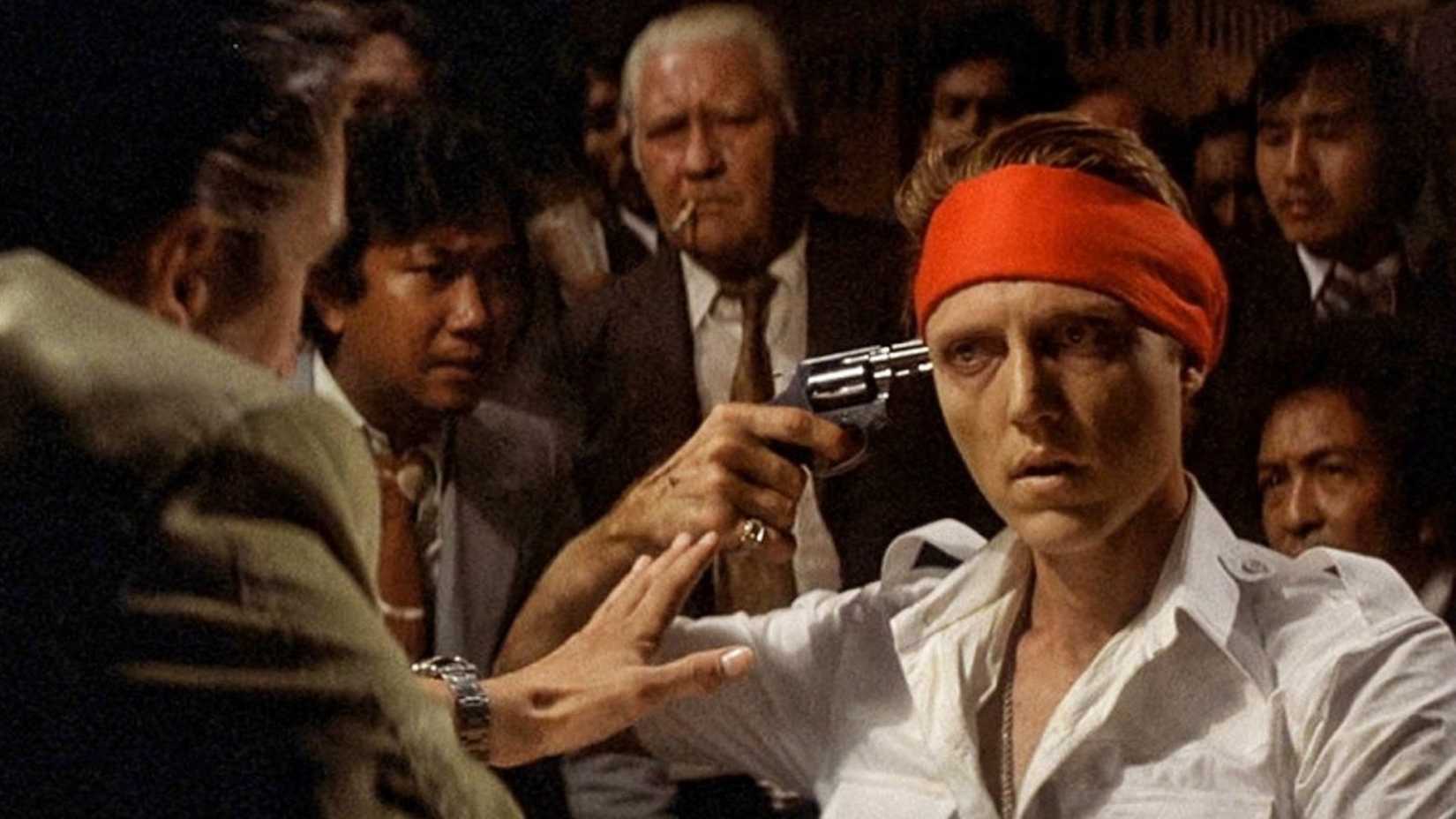
Winner of multiple Academy Awards and often cited as one of the defining films about the Vietnam War, The Deer Hunter is undeniably powerful in its portrayal of the psychological toll of war. Directed by Michael Cimino and starring Robert De Niro and Christopher Walken, it helped shape how Hollywood would depict Vietnam for years to come.
This influence hasn’t come without criticism. One of elements is its depiction of Vietnamese characters, particularly in the infamous Russian roulette scenes. These sequences, while dramatically intense, have been widely criticized for presenting Vietnamese people as sadistic, one-dimensional villains.
Critics and scholars alike have argued that this portrayal reinforces harmful stereotypes and reduces an entire population to caricatures. The lack of nuance extends beyond individual scenes, contributing to a broader narrative that centers on American trauma while marginalizing Vietnamese perspectives entirely.
For a film dealing with such a complex and devastating conflict, that imbalance feels glaring in hindsight. While The Deer Hunter remains a technically impressive and emotionally resonant film, its cultural lens is undeniably narrow, making it a more uncomfortable watch for modern audiences aware of the importance of representation.
Midnight Express (1978)

At the time of its release, Midnight Express was praised for its intense storytelling and gripping portrayal of imprisonment abroad. Directed by Alan Parker and written by Oliver Stone, the film follows an American student arrested in Turkey and subjected to brutal conditions in a foreign prison.
Yet, while its narrative is undeniably compelling, its depiction of Turkish people and culture has drawn sustained criticism over the years. The film paints a stark, often dehumanizing picture of Turkey, portraying its citizens (particularly authority figures) as cruel, corrupt, and backward.
This one-sided depiction has been widely condemned as reductive and offensive, reinforcing stereotypes that flatten an entire nation into a hostile environment for Western audiences to fear. What makes this especially problematic is how little counterbalance Midnight Express provides. There’s almost no effort to present Turkish characters as complex individuals, which amplifies the sense of cultural bias.
Even Oliver Stone later expressed regret over how the story was framed. Midnight Express succeeds as a tense drama, but it does so at the expense of an entire culture’s representation, making it a prime example of how storytelling choices can age poorly when viewed through a more globally aware lens.
-

Your Rating
close 10 stars 9 stars 8 stars 7 stars 6 stars 5 stars 4 stars 3 stars 2 stars 1 star Rate Now 0/10Your comment has not been saved
Like Follow Followed R Music 8.8/10 Release Date December 16, 1977 Runtime 118 minutesWHERE TO WATCH
Streaming -

Your Rating
close 10 stars 9 stars 8 stars 7 stars 6 stars 5 stars 4 stars 3 stars 2 stars 1 star Rate Now 0/10Your comment has not been saved
Like Follow Followed PG-13
WHERE TO WATCH
Streaming -

Your Rating
close 10 stars 9 stars 8 stars 7 stars 6 stars 5 stars 4 stars 3 stars 2 stars 1 star Rate Now 0/10Your comment has not been saved
Like Follow Followed NC-17 8.0/10 Release Date December 15, 1972 Runtime 129 minutes Director Bernardo Bertolucci Writers Bernardo Bertolucci, Franco ArcalliCast
-
 Paul
Paul -
 Maria Schneider Jeanne
WHERE TO WATCH
RENT -
-

Your Rating
close 10 stars 9 stars 8 stars 7 stars 6 stars 5 stars 4 stars 3 stars 2 stars 1 star Rate Now 0/10Your comment has not been saved
Like Follow Followed R 7.6/10 Release Date February 23, 1979 Runtime 183 minutesWHERE TO WATCH
RENT -

Your Rating
close 10 stars 9 stars 8 stars 7 stars 6 stars 5 stars 4 stars 3 stars 2 stars 1 star Rate Now 0/10Your comment has not been saved
Like Follow Followed R Biography 10/10 Release Date October 6, 1978 Runtime 121 minutesWHERE TO WATCH
Streaming
Follow Followed Like Share Close Trending Now