Exploring New Villains for the Next Super Mario Movie: Tatanga Takes Center Stage

Isabella Wilson
Updated on May 17, 2026
With the success of The Super Mario Bros. Movie, expectations are high for its sequel, and a fresh take on the villainous roster could be just what the franchise needs. One intriguing candidate for the lead antagonist is Tatanga, a character whose history with Princess Daisy dates back to the early days of the Super Mario universe.
Tatanga's potential as the film's primary foe stems from his unique position within the Mario lore. Having first appeared in Super Mario Land, he represents a bridge between the games and the cinematic universe, offering a narrative depth that aligns with the sequel's hints of "evil forces." His cosmic undertones could seamlessly integrate into the movie's existing themes, enriching the storyline without straying from its roots.
Unlike Bowser, whose role has been well-established in previous adaptations, Tatanga offers an untapped narrative avenue. His absence from recent films opens the door for a renewed focus on his rivalry with Princess Daisy, potentially reshaping the dynamics of the Mario universe on screen. This shift could also allow for exploration of lesser-known characters, adding layers to the film's character ensemble.
Moreover, incorporating Tatanga aligns with the trend of honoring game origins while expanding the narrative scope. His inclusion might not only satisfy long-time fans but also introduce new audiences to the rich tapestry of Super Mario's history. The decision to spotlight him could signal a broader strategy to diversify the franchise's storytelling approaches, balancing nostalgia with innovation.
As the sequel progresses, the choice of villain will undoubtedly shape the film's direction. Tatanga's presence promises a blend of familiarity and novelty, making him a compelling choice to lead the charge in this cinematic adventure. Whether through direct confrontation or strategic maneuvering, his role could redefine the stakes for Mario and his allies, setting the stage for a memorable cinematic experience.
Tatanga Emerges as the Central Antagonist of Princess Daisy's Saga
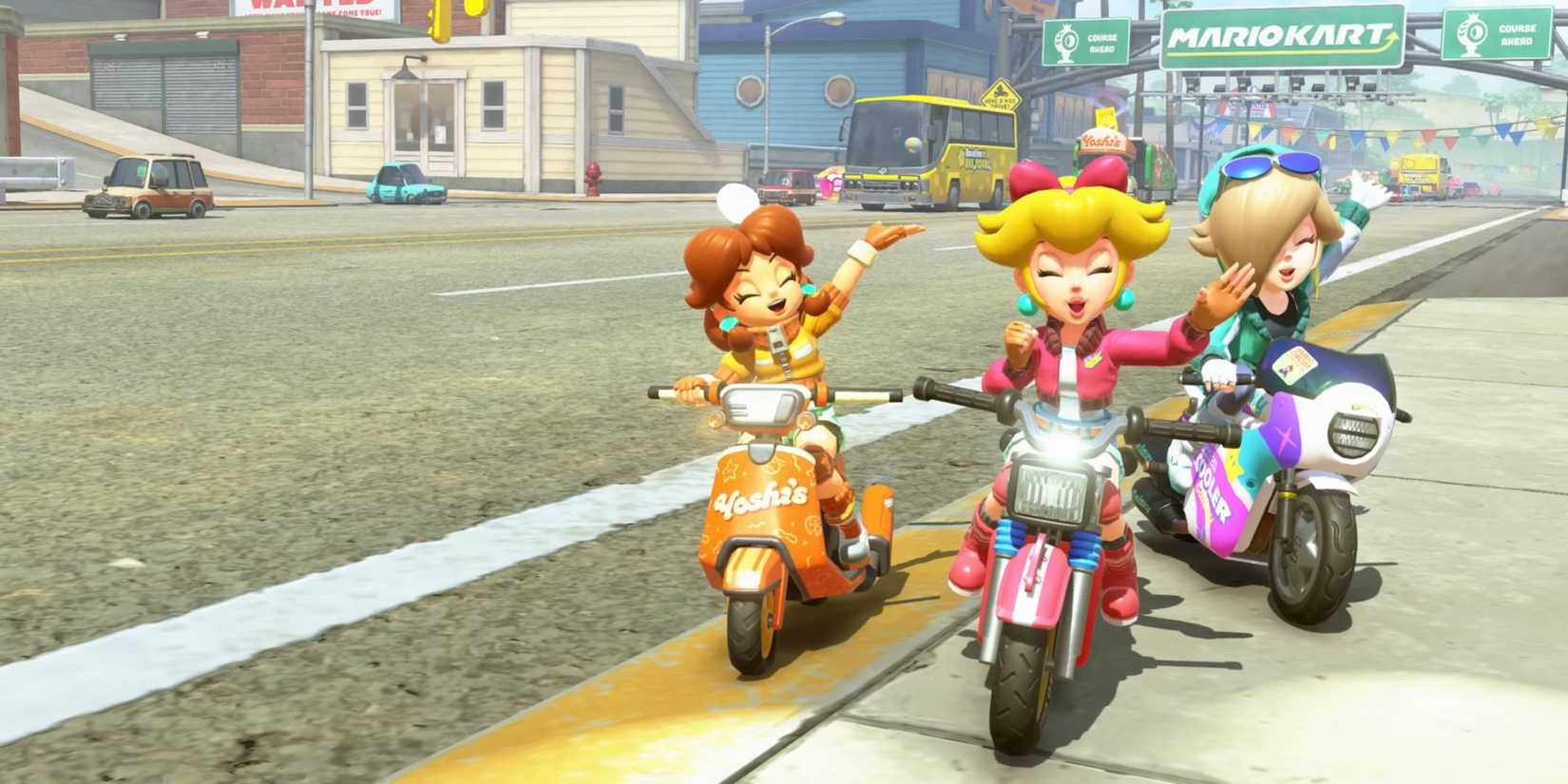
The post-credits scene of The Super Mario Galaxy Movie may have unveiled more than just a supporting character; it could have pointed toward Tatanga as a pivotal figure in the unfolding narrative. As a prominent figure from Super Mario Land, his connection to Princess Daisy is not merely incidental but foundational. This relationship sets the stage for a compelling conflict, especially with Daisy's role as the ruler of Sarasaland.
In Super Mario Land, Tatanga's actions—capturing Daisy and seizing control—established him as a formidable adversary. Translating this history into the film's context provides a rich backdrop for the sequel. The narrative could explore how Daisy's journey from a captured princess to a determined leader challenges Tatanga's authority, creating a dynamic tension that drives the plot forward.
Furthermore, the idea of adapting Super Mario Land for the big screen adds an intriguing layer. While the film has already touched upon elements from various games, a full adaptation would allow Tatanga's story to resonate more deeply with audiences. His motivations, struggles, and eventual confrontation with Daisy could mirror the broader themes of resilience and empowerment central to the franchise.
Integrating Tatanga also opens discussions about the evolution of Mario's world. By revisiting a classic character, the sequel could pay homage to the series' origins while pushing its boundaries. This duality—honoring the past while embracing new possibilities—might attract both veteran fans and newcomers alike, ensuring the film's broad appeal.
Ultimately, positioning Tatanga as the central antagonist offers a narrative richness that aligns with the sequel's hints of larger cosmic forces at play. His presence could catalyze a shift in the Mario universe, emphasizing growth, legacy, and the enduring spirit of adventure that defines the franchise.
4 Tatanga's Role as the Primary Foe Gains Momentum
Beyond his historical significance, Tatanga's potential as the sequel's main villain is bolstered by his alignment with the film's emerging motifs. The concept of "evil forces" mentioned in The Super Mario Galaxy Movie finds a natural ally in Tatanga, whose actions in the original game reflect a broader struggle for dominance. This synergy suggests that his inclusion would not only satisfy narrative continuity but also enhance thematic coherence.
Considering the film's focus on cosmic elements, Tatanga's interstellar background gains added relevance. His journey from a game antagonist to a cosmic-scale threat mirrors the franchise's expansion into grander narratives. This evolution positions him as a bridge between the whimsical charm of Mario's world and the epic scale suggested by the sequel's teasers.
Additionally, integrating Tatanga allows for creative storytelling opportunities. Scenes depicting his past confrontations with Daisy could be woven into the present-day plot, providing flashbacks that deepen character motivations. Such narrative devices would enrich the film's texture, offering viewers a multifaceted understanding of the conflict.
From a production standpoint, highlighting Tatanga could also influence visual and thematic elements. Environments inspired by Super Mario Land's aesthetic, combined with futuristic cosmic visuals, might create a distinctive look that sets the film apart. This blend of nostalgia and innovation could become a hallmark of the sequel's identity.
In essence, Tatanga's emergence as the central antagonist represents a strategic choice that balances reverence for the source material with bold new directions. His story, intertwined with Daisy's, promises to elevate the sequel's stakes, making him an indispensable part of the evolving Super Mario saga.
3 Tatanga's Integration with the Cosmic Themes of The Super Mario Galaxy Movie
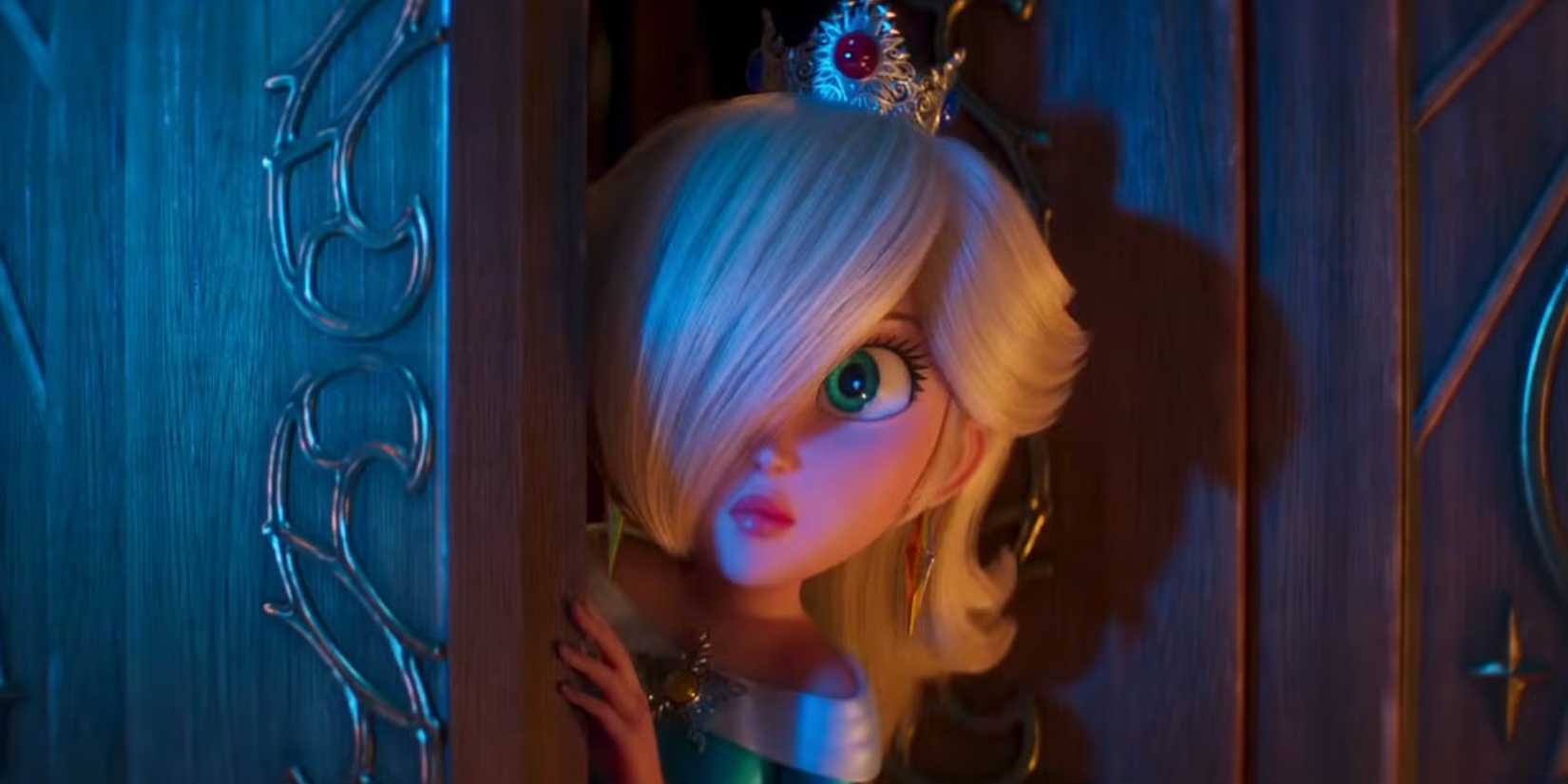
Shifting focus from direct confrontation to a broader cosmic conflict, the sequel's narrative could benefit from Tatanga's association with celestial themes. His presence in Super Mario Land already hints at a connection to the stars, a motif that aligns perfectly with the galaxy-wide scope of the film's sequel. This alignment allows for a seamless transition between the game's lore and the cinematic universe, enhancing thematic consistency.
Exploring Tatanga's role within this cosmic framework opens avenues for storytelling that transcends traditional boundaries. Scenes depicting his interstellar travels or encounters with other cosmic entities could enrich the film's universe, providing context for the "evil forces" mentioned in promotional materials. Such elements would not only engage fans but also attract new audiences intrigued by expansive sci-fi narratives.
Moreover, Tatanga's character arc—from antagonist in a side game to a central figure in the sequel—mirrors the franchise's own journey. By revisiting his origins and evolving his role, the film could underscore themes of redemption, legacy, and the cyclical nature of heroism. This narrative depth would resonate with viewers, adding emotional weight to the unfolding events.
Visually, incorporating cosmic imagery associated with Tatanga could elevate the film's aesthetic. From star-filled skies to alien landscapes, these elements would complement the existing visual language of the franchise while introducing fresh perspectives. Such attention to detail would reinforce the sequel's ambition to blend familiarity with innovation.
Ultimately, Tatanga's integration into the cosmic narrative serves as a testament to the film's commitment to evolving the Mario universe. His story, rooted in both past and present, exemplifies how legacy characters can find new relevance in contemporary storytelling, ensuring that the franchise remains vibrant and forward-thinking.
2 The Underutilized Legacy of Super Mario Land Characters in Film Adaptations
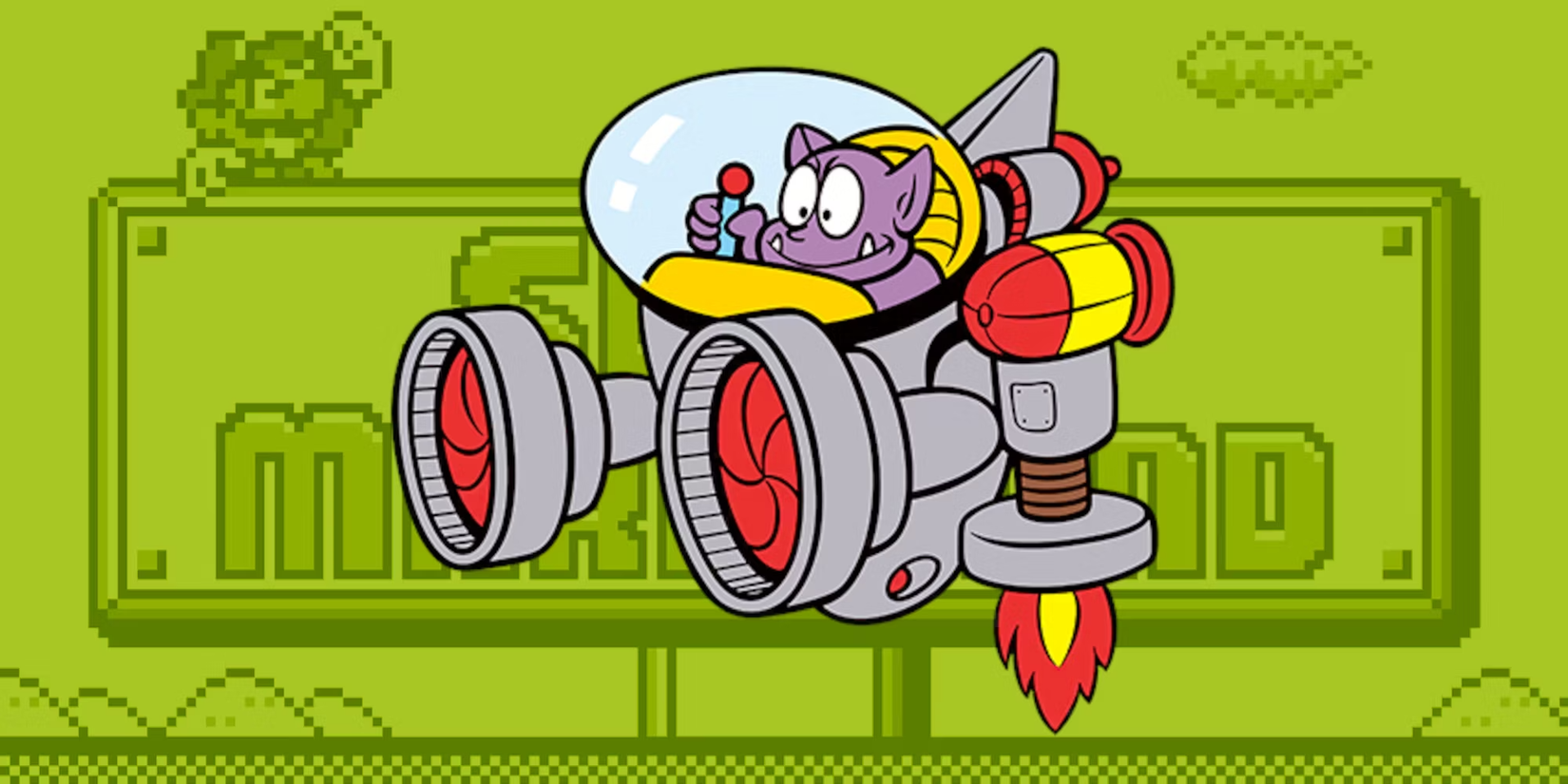
The cinematic landscape has often overlooked characters from Super Mario Land, despite their potential to enrich storytelling. Tatanga stands out as a prime example—a figure whose absence from recent films represents a missed opportunity. By reintroducing him, the sequel could tap into a wealth of untapped narrative possibilities.
His historical significance within the Mario canon provides a foundation for exploring themes of perseverance and transformation. Unlike Bowser, whose portrayal is well-established, Tatanga's relative obscurity allows for creative reinterpretation. This flexibility could result in a portrayal that feels both authentic to his origins and innovative within the film's context.
Considering the film's emphasis on cosmic forces, Tatanga's intergalactic background gains additional resonance. His journey from a game antagonist to a cosmic-scale threat parallels the franchise's expansion into grander narratives. This evolution positions him as a symbol of the series' adaptability, bridging its roots with future aspirations.
From a production viewpoint, integrating Tatanga's lore could influence various aspects of the film. Costume designs, set pieces, and even musical cues inspired by Super Mario Land would create a cohesive homage while introducing fresh elements. Such attention to detail would enhance the viewer's immersion, making the film feel like a true extension of the Mario universe.
Furthermore, Tatanga's inclusion invites comparisons with other iconic characters, fostering a richer tapestry of interactions. His dynamic with Princess Daisy, in particular, offers fertile ground for exploration, highlighting themes of loyalty, ambition, and change. These relationships would not only drive the plot but also deepen audience engagement.
In conclusion, revisiting Tatanga represents a strategic move to honor the franchise's heritage while propelling it forward. His story, woven into the fabric of the sequel's cosmic narrative, exemplifies how legacy characters can thrive in contemporary adaptations, ensuring that the Mario saga continues to captivate and inspire.
1 Tatanga Embodies the "Evil Forces" Hinted at in The Super Mario Galaxy Movie
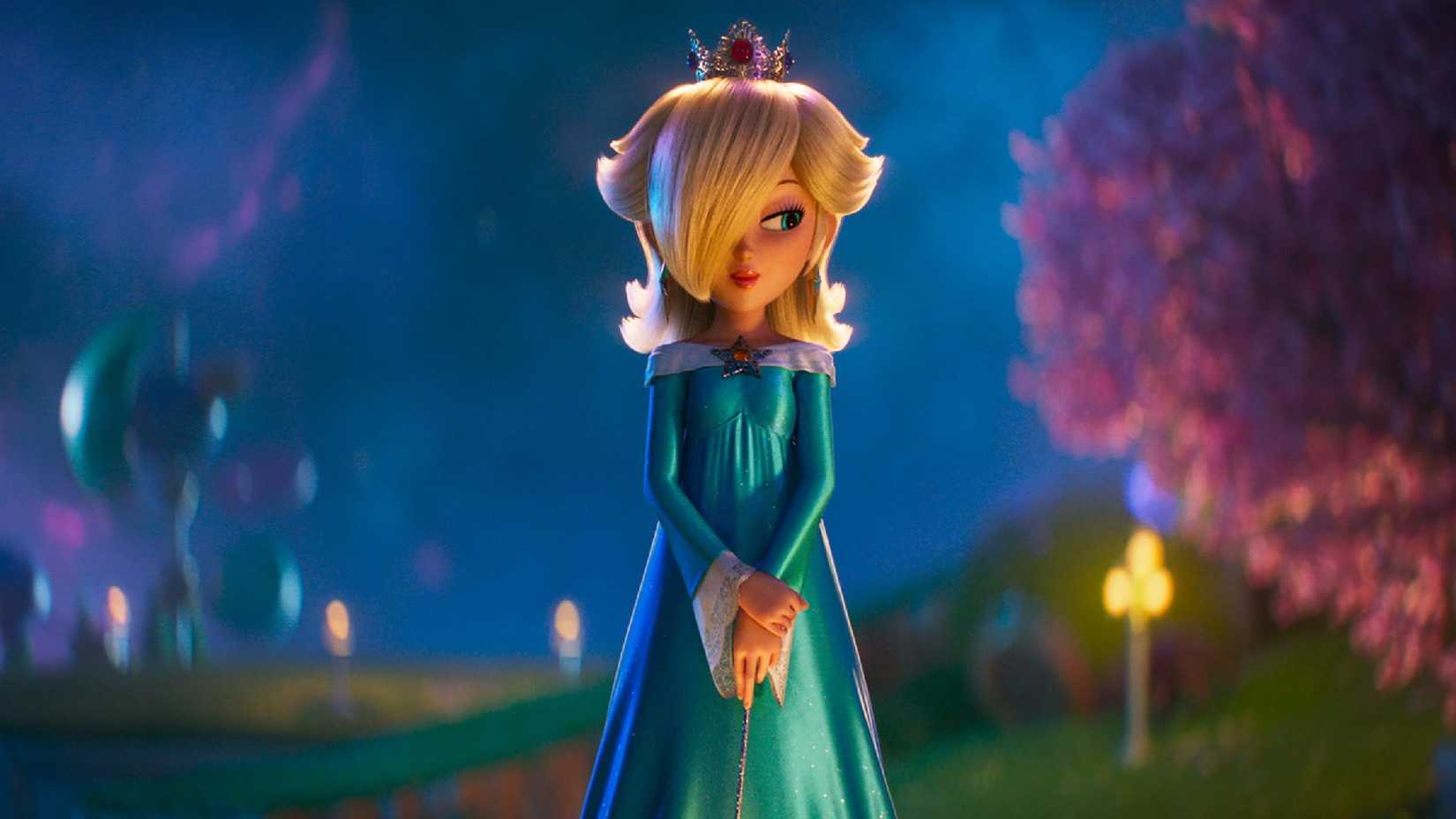
The subtle clues embedded within The Super Mario Galaxy Movie suggest a deeper narrative layer involving "evil forces," a concept that aligns seamlessly with Tatanga's established lore. His presence as a recurring antagonist across multiple games positions him as a natural fit for the sequel's teased conflicts, particularly those hinted at through cosmic imagery and mysterious alliances.
Tatanga's potential role extends beyond mere antagonism; he embodies the unresolved tensions between generations of characters within the Mario universe. His historical rivalry with Princess Daisy, coupled with his cosmic ambitions, creates a multifaceted antagonist whose motivations transcend simple villainy. This complexity allows for nuanced storytelling that explores themes of legacy, power, and redemption.
Incorporating Tatanga into the sequel's narrative could involve flashbacks revealing his past deeds and their impact on Daisy's reign. These sequences would not only enrich his character but also provide context for the "evil forces" referenced in promotional material. Such storytelling choices would deepen audience investment, making the conflict feel personal and consequential.
Visually, integrating elements tied to Tatanga's cosmic journey—such as alien landscapes or celestial phenomena—could enhance the film's aesthetic appeal. These visual cues would serve as reminders of his origins while reinforcing the sequel's expansive scope. The blend of nostalgia and innovation would resonate with both longtime fans and new viewers alike.
Ultimately, Tatanga's embodiment of the "evil forces" concept underscores the sequel's ambition to evolve the Mario narrative. By anchoring the story in established lore while pushing creative boundaries, the film promises a compelling continuation of the franchise's legacy, ensuring that each new chapter feels both familiar and groundbreaking.
- Expand on Tatanga's backstory through strategic flashbacks.
- Highlight cosmic visuals tied to his character for thematic cohesion.
- Explore the implications of "evil forces" within the broader narrative.