Exploring the Legacy of ScreenRant's Movie and TV Editor Matthew Rudoy

Elijah King
Updated on May 17, 2026
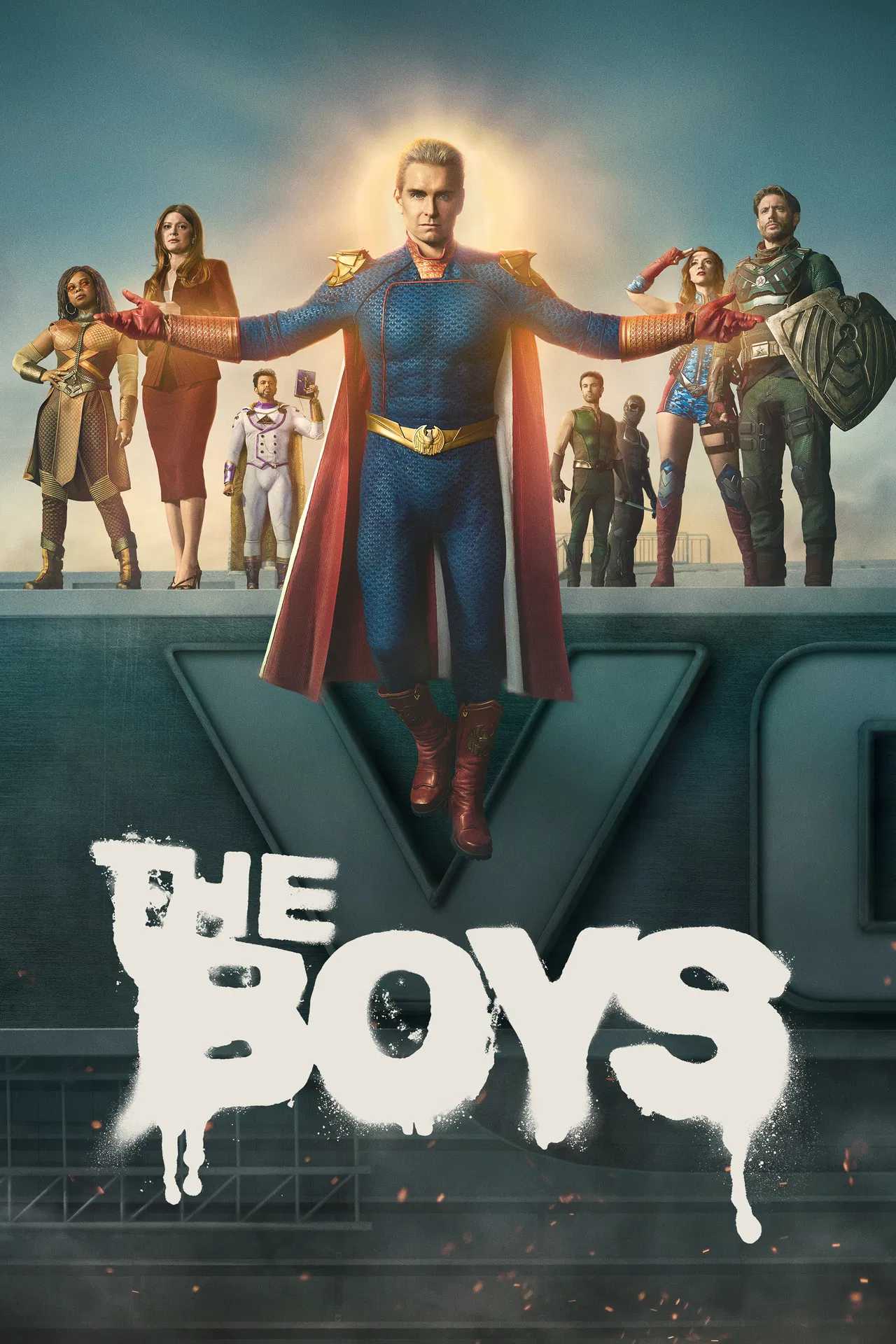
Matthew Rudoy stands as a pivotal figure within ScreenRant, serving as the outlet's prominent voice in cinematic and televised narratives. His expertise spans across landmark series such as Star Wars, The Boys, and Game of Thrones, complemented by his contributions as a feature writer and critic from 2017 until his promotion to senior editor in 2026.
His tenure saw the evolution of his responsibilities—from crafting lists to spearheading editorial direction—culminating in his role overseeing the news division. Rudoy’s insights have shaped the platform's perspective on both ongoing sagas and historic milestones within pop culture.
Central to his editorial influence is an in-depth examination of narrative arcs across television history. One recurring theme is the enigmatic Protector of the Island from the acclaimed series Lost, whose legacy intertwines fate, guardianship, and the quest for understanding unseen forces. Rudoy’s analysis delves into how such characters anchor complex storylines, embodying themes that resonate deeply with audiences.
His coverage extends beyond critique; it contextualizes characters’ journeys within broader cultural conversations, examining how individual arcs reflect societal values and human dilemmas. Rudoy’s work illuminates the intersection between storytelling craft and audience engagement, highlighting why certain narratives endure while others fade.
Through meticulous research and thoughtful commentary, he bridges gaps between creators and viewers, offering clarity amidst intricate plot developments. Whether discussing the moral quandaries faced by Jacob, the resilience of characters like Mother and Jacob, or the symbolic weight carried by figures such as Hurley, Rudoy provides nuanced perspectives that enrich readers’ appreciation of narrative depth.
Ultimately, his contributions underscore the significance of editorial voices in shaping discourse around media, reinforcing the idea that stories are not merely consumed—they are experienced collectively through shared interpretation and reflection.