Why Imu Stands Out as Luffy's Ultimate Rival in One Piece Chapter 1181

Emily Phillips
Updated on May 17, 2026
Published on April 26, 2026, at 11:31 AM EDT, this piece examines the emergence of Imu as a compelling adversary for Luffy in the latest chapter of One Piece. Authored by Joshua Edward Ryan Fox, a seasoned writer with a background in professional and technical writing, the article delves into the intricacies of Imu's character and his significance within the narrative.
Fox highlights Imu's striking visual contrast to Luffy, emphasizing his demonic aesthetic juxtaposed against Luffy's pure, god-like power. The article discusses how Imu's Devil Fruit grants him cartoonish abilities reminiscent of Luffy's Gear 5, yet with a darker, more menacing edge. Imu's mastery of his Omen ability—transforming weapons and shapes at will—mirrors Luffy's own creative combat style, reinforcing their thematic connection as opposites in every way.
The narrative further explores Imu's ideological stance, contrasting his belief in domination and subjugation with Luffy's vision of freedom. This philosophical clash elevates Imu beyond a mere foe, positioning him as a catalyst for Luffy's growth. As the Elbaph arc progresses, Imu's role becomes increasingly pivotal, embodying the tension between chaos and order that defines One Piece's storytelling.
Why Imu Is The Perfect Counterpart To Luffy In One Piece
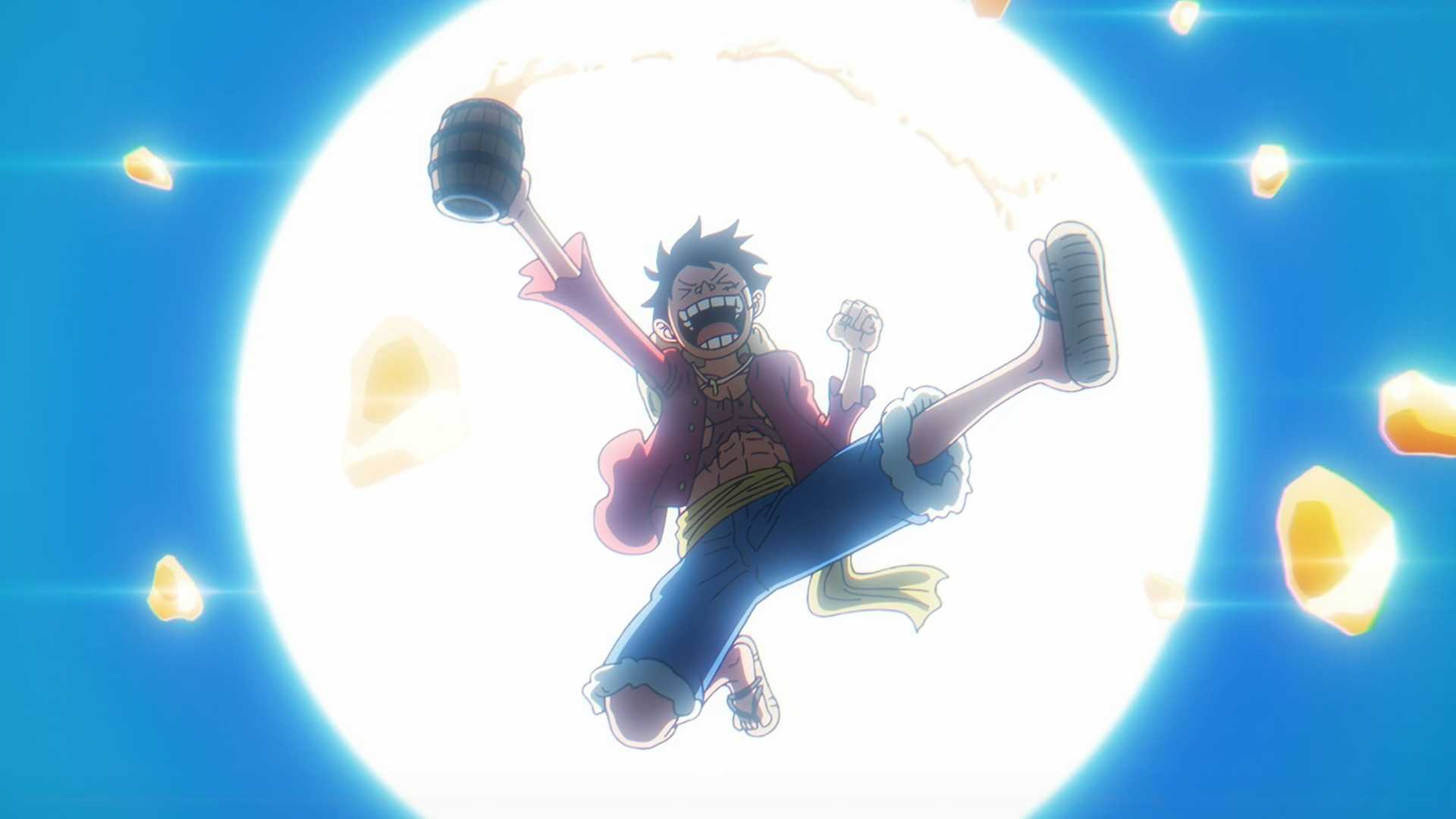
Imu's design, characterized by a black silhouette against Luffy's white Gear 5 form, symbolizes their opposing natures. The article notes how Imu's Devil Fruit, the Devil Fruit, aligns with Luffy's Gomu Gomu no Mi, yet amplifies it into a tool of manipulation and control. His ability to summon cartoonish minions during battles adds a surreal layer to their confrontations, underscoring the absurdity of power in One Piece.
Beyond physical prowess, Imu challenges Luffy's core values. By advocating for a world built on fear and submission, he forces Luffy to confront the fragility of his ideals. The article argues that Imu's history with Joy Boy and his role as a potential successor to the Void Century make him indispensable to the series' overarching mysteries. As the Elbaph arc unfolds, Imu's presence ensures that Luffy's journey remains fraught with existential stakes.
Ultimately, Imu represents more than a villain—he embodies the antithesis of Luffy's spirit. His evolution from a minor antagonist to a central figure cements his status as the perfect foil, ensuring that One Piece's conclusion will resonate with the depth and complexity that define its legacy.