Exploring Neuromancer: The Intersection of Cyberpunk Legends

Robert Bradley
Updated on May 17, 2026
Published on May 1, 2026, at 12:02 PM EDT, Screen Rant's senior writer Tom brings his expertise from both comedic television and speculative science fiction to the forefront. With a background spanning decades of pop culture analysis, Tom specializes in dissecting the evolving landscape of media and entertainment.
Originally contributing to Screen Rant's news section, Tom transitioned to focusing on television programming, where he has carved out a niche analyzing adaptations of seminal cyberpunk works. His insights often bridge the gap between classic literature and contemporary media interpretations.
Based in the United Kingdom, Tom maintains an active presence in the fandom community through regular writing and engagement. Beyond his professional work, he explores horror fiction, tabletop role-playing games, and participates in online storytelling projects.
Follow Follow | Followed | Like | Log in
Story Summary: A comprehensive overview of the current state and future prospects of cyberpunk narratives in television and film.
Live-action cyberpunk remains a unique phenomenon, with the genre's visual language and thematic concerns largely crystallized in two landmark films. These movies not only popularized the aesthetic but also established core philosophical questions about humanity and technology that continue to resonate.
The upcoming Apple TV+ series promises to revisit these foundational ideas while introducing fresh perspectives. Drawing from the gritty realism of Blade Runner and the metaphysical depth of The Matrix, the show aims to create a narrative space where physical and digital realities coexist in tension.
Neuromancer: Bridging Cinematic Universes
The Evolution of a Genre-Defining Franchise
The series positions itself within a rich tradition of cyberpunk storytelling, acknowledging its debt to literary pioneers while carving out its own identity. The adaptation process allows for deeper exploration of themes originally introduced in William Gibson's novel, offering viewers a chance to experience the narrative's complexity through multiple sensory dimensions.
Three agents navigate a corridor rendered as glowing green code, visually representing the Matrix's digital architecture.
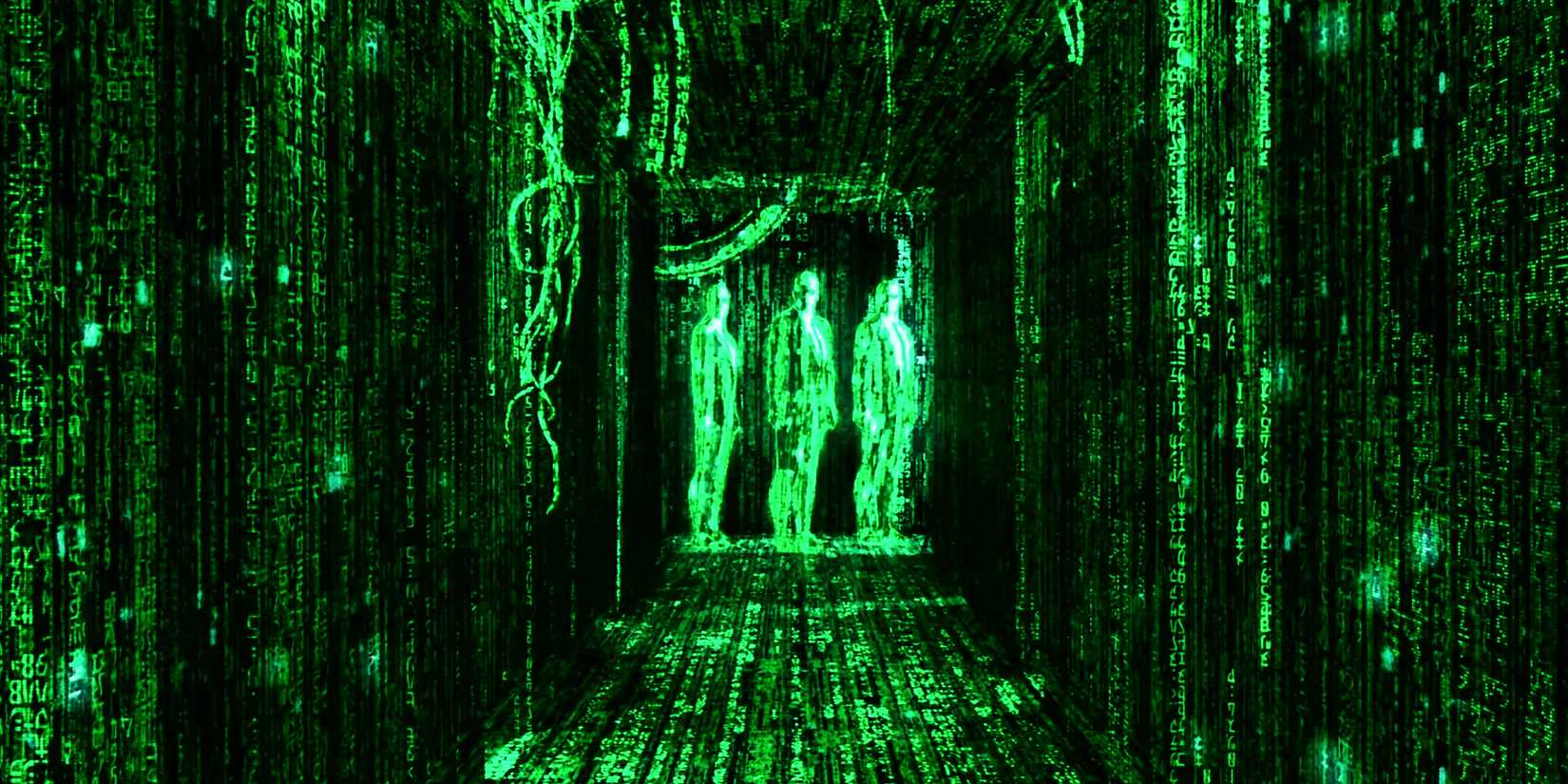
Drawing parallels between Neuromancer's world-building and the visual language of Blade Runner, the series emphasizes corporate dominance over governmental structures. This alignment creates a shared aesthetic vocabulary that resonates with audiences familiar with both properties.
The narrative structure mirrors The Matrix's exploration of simulated realities, presenting cyberspace as both a tool and a battleground. By integrating these elements, the show promises to deliver a layered experience that respects its influences while pushing forward the conversation about digital existence.
Historical Significance and Future Implications
The Neuromancer Legacy: From Page to Screen
Before becoming synonymous with streaming platforms, Neuromancer revolutionized how audiences perceive virtual environments. Its influence permeates modern media, from video games to animated series, establishing foundational tropes that continue to inspire creators across disciplines.
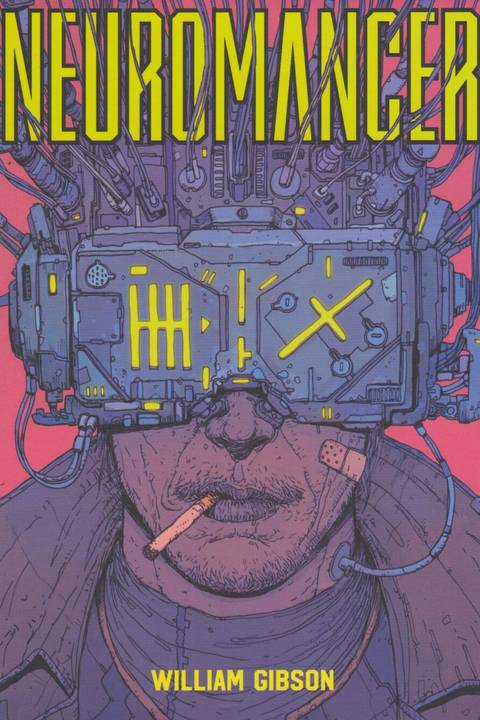
The series represents more than just a retelling; it serves as a cultural touchstone that reconnects contemporary viewers with the origins of cyberpunk thought. This renewed interest could catalyze further adaptations of classic texts, ensuring their relevance in evolving media landscapes.
With its ambitious scope and thoughtful execution, the Apple TV+ project stands poised to redefine expectations for prestige television. Success hinges on balancing reverence for source material with innovative storytelling techniques capable of engaging new generations of fans.
As the series develops, it invites reflection on how far the genre has come and where it might head next. The intersection of past innovations and present possibilities creates fertile ground for creative experimentation and critical discourse.
Like Neuromancer itself, this adaptation embodies the spirit of reinvention—honoring what came before while boldly charting unexplored territory.
Subscribe to the newsletter for in-depth analyses of Neuromancer's development, thematic explorations, and comparisons with related works.
The newsletter provides exclusive content, expert commentary, and behind-the-scenes insights that enrich understanding of the series' cultural significance.
By subscribing, you consent to receive communications regarding Neuromancer-related updates and promotional materials. Unsubscribe at any time.