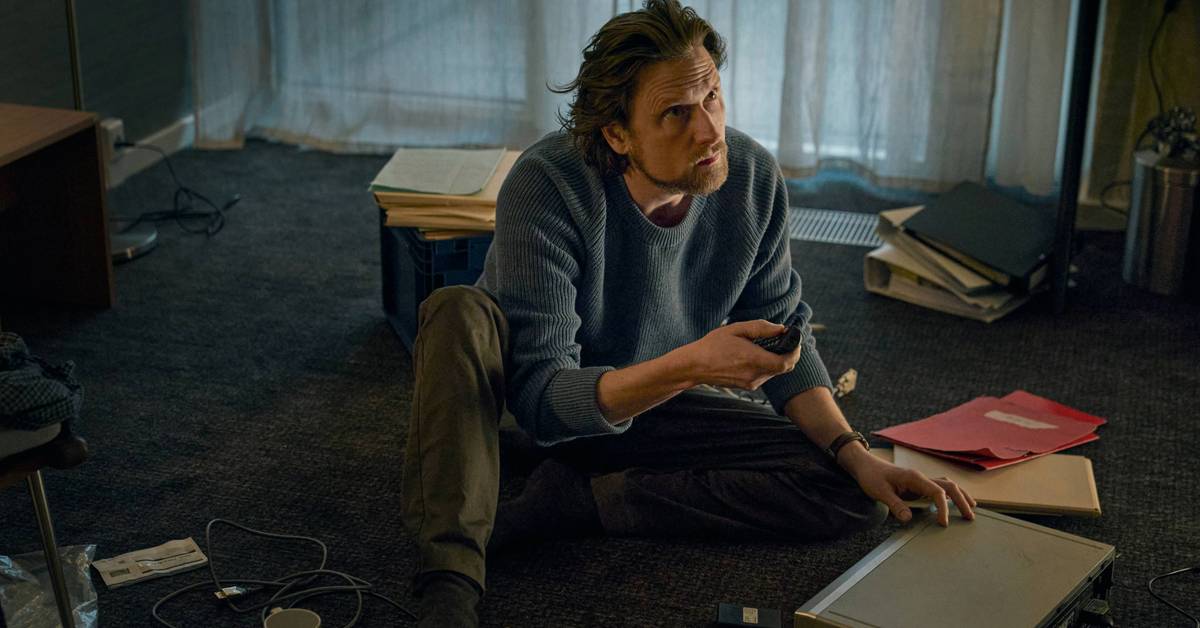
Reimagining John Creasy's PTSD Portrayal in Netflix's Man on Fire

Andrew Mckinney
Updated on May 17, 2026
Published May 2, 2026, 11:45 AM EDT
Dani Kessel Odom, an autistic writer and critic, specializes in analyzing sci-fi, fantasy, and superhero narratives, particularly focusing on screen adaptations. Their expertise shines in dissecting television's portrayal of complex characters and stories.
With a background in English and psychology, Dani brings a unique lens to media criticism, emphasizing nuanced storytelling. Their work spans event coverage, academic studies, and creative writing, reflecting a lifelong passion for narrative analysis.
Beyond Screen Rant, Dani's freelance career spans a decade, offering editorial services and ghostwriting projects that highlight their versatility and commitment to craft.
A compelling aspect of their profile is their focus on mental health representation, notably in adaptations like Man on Fire. They champion narratives that move beyond surface-level trauma, advocating for authentic, layered depictions that resonate with real-world experiences.
The article also examines how Netflix's adaptation distinguishes itself from the 2004 film by prioritizing psychological depth, particularly in portraying John Creasy's PTSD. Unlike earlier works, this version explores trauma through modern understanding, avoiding clichés while maintaining emotional impact.
Key differences include a more holistic view of Creasy's struggles—balancing alcoholism with PTSD without reducing him to stereotypes. The show introduces subtle yet powerful cues, like visual metaphors for his mental state, enriching the narrative without overshadowing its core themes.
Critics praise the series for its nuanced approach, highlighting how it contrasts Creasy's journey with Poe's, showcasing diverse trauma responses. This balance fosters empathy, illustrating healing as a communal process rather than an isolated endeavor.
Ultimately, the piece underscores the importance of responsible storytelling, noting how Netflix's adaptation succeeds by merging artistic vision with psychological accuracy. It serves as both a critique and celebration of evolving media standards in representing mental health.
For viewers, the show offers more than entertainment—it provides insight into resilience, community, and the complexity of recovery, making it a standout entry in contemporary television.
Image description: Yahya Abdul-Mateen II as John Creasy in Man on Fire (Netflix, 2026)
Cast highlights: Yahya Abdul-Mateen II (John Creasy), Billie Boullet (Poe Rayburn). Directed by Clare Kilner, Vicente Amorim, and Steven Caple Jr., with writing by Kyle Killen.
Streaming now on Netflix. Explore the series' approach to trauma and resilience in the full article.