Unveiling Led Zeppelin's Origins: A Deep Dive into 'Becoming Led Zeppelin'

Rachel Young
Updated on May 17, 2026
By Published Apr 16, 2026, 10:01 AM EDT Senior Music Editor at Screen Rant, Sarah's love of sound and story drive the beat. A globetrotting brand whisperer and award-winning journalist, she’s built cross-cultural narratives around the world—but music has always been her true north. She launched DJ Mag North America, successfully introducing the iconic UK brand to the U.S. market. Previously, she carved a space for EDM inside the pages of VIBE, blending electronic and hip-hop culture long before it was trendy.
follow Follow followed Followed Like Like Log in Here is a fact-based summary of the story contents: Try something different: Show me the facts Explain it like I’m 5 Give me a lighthearted recap
I was never the kid with the poster above my bed. That was my dad's territory—the bootlegs, the deep cuts, the whole religion of it. But you don't have to be a devotee to recognize when something makes history right in front of you. Since taking over as music editor, I’ve traded that secondhand nostalgia for a deep dive into the band's actual mechanics, tracking everything from their to the their ghost.
Becoming Led Zeppelin, now available in a as of April 14, 2026, is that kind of film. Directed by Bernard MacMahon, it doesn't give you the myth. It gives you the basement—literally. Four session musicians on Gerrard Street who hadn't yet figured out they were about to . MacMahon lets the archival footage and recovered audio do the heavy lifting, and what it lifts is considerable. I went in expecting a polished forensic retrospective. What I got was something closer to a crime scene reconstruction—and I mean that as the highest possible compliment. Here are the 10 moments that genuinely stopped me cold.
Key Release Timeline
10 Jimmy Page's Secret Beatles Session Work
Before the New Yardbirds, before the boathouse sessions, before any of it—Jimmy Page was the most in-demand session guitarist in London. The film confirms what music historians have long suspected but rarely had on record: Page played the guitar parts on the tune Ringo Starr is heard listening to on a transistor radio in A Hard Day's Night, and contributed to "Ringo's Theme (This Boy)."
It sounds like a trivia answer until you sit with what it actually means. This is a man who was operating at the highest professional level imaginable before Led Zeppelin existed as a concept. That discipline—the ability to walk into any session, read the room, and deliver—wasn't incidental to what Zeppelin became. It was the foundation everything else was built on.
9 Brittain's Post-War Rubble Fueled Their Sound
One of the documentary's quietest but most powerful moves is its use of archival footage showing the physical landscape the band members came up in. Bombed-out streets. Rebuilding sites. The unglamorous, still-raw wreckage of post-war Britain as backdrop to four kids picking up instruments and figuring out what sound meant to them.
It recontextualizes everything. The volume, the intensity, the refusal to be small—it stops feeling like artistic choice and starts feeling like necessity. When you grow up in the shadow of the Blitz, maybe you don't make quiet music. Maybe you build something loud enough to drown it all out.
8 The Shirley Bassey "Goldfinger" Blueprint
Here's one I genuinely didn't see coming. Both Jimmy Page and John Paul Jones were session players on "Goldfinger." Page describes the physical demand of holding the final chord through Bassey's legendary sustained note—the kind of precision that had nothing to do with blues instinct and everything to do with professional discipline.
Think about what that session required. You're supporting one of the most powerful voices in pop music on one of the most scrutinized recordings of the decade. You don't get to noodle. You don't get to feel it out. You deliver or you don't get called back. That intersection of pop professionalism and raw blues instinct is exactly what made Zeppelin's debut sound like nothing else on earth—and this is where part of that equation was quietly being forged.
7 Robert Plant’s Convincing 1967 Pop Pivot
Before the Golden God, before "Whole Lotta Love," before any of it—Robert Plant released a solo single in 1967 called "Our Song." The documentary includes footage of it, and the contrast with what he'd be doing 12 months later is almost hard to process.
It's not bad. That's almost the point. It's competent, polished, completely conventional—and completely unrecognizable as the same person who would be screaming over "Dazed and Confused" by the end of 1968. It's a reminder that chemistry isn't just about talent. It's about what specific people pull out of each other. Without Page, Jones, and Bonham in that room, Plant's career trajectory looks very, very different.
6 Jimmy Page Used His Boathouse To Test MacMahon's Worthiness
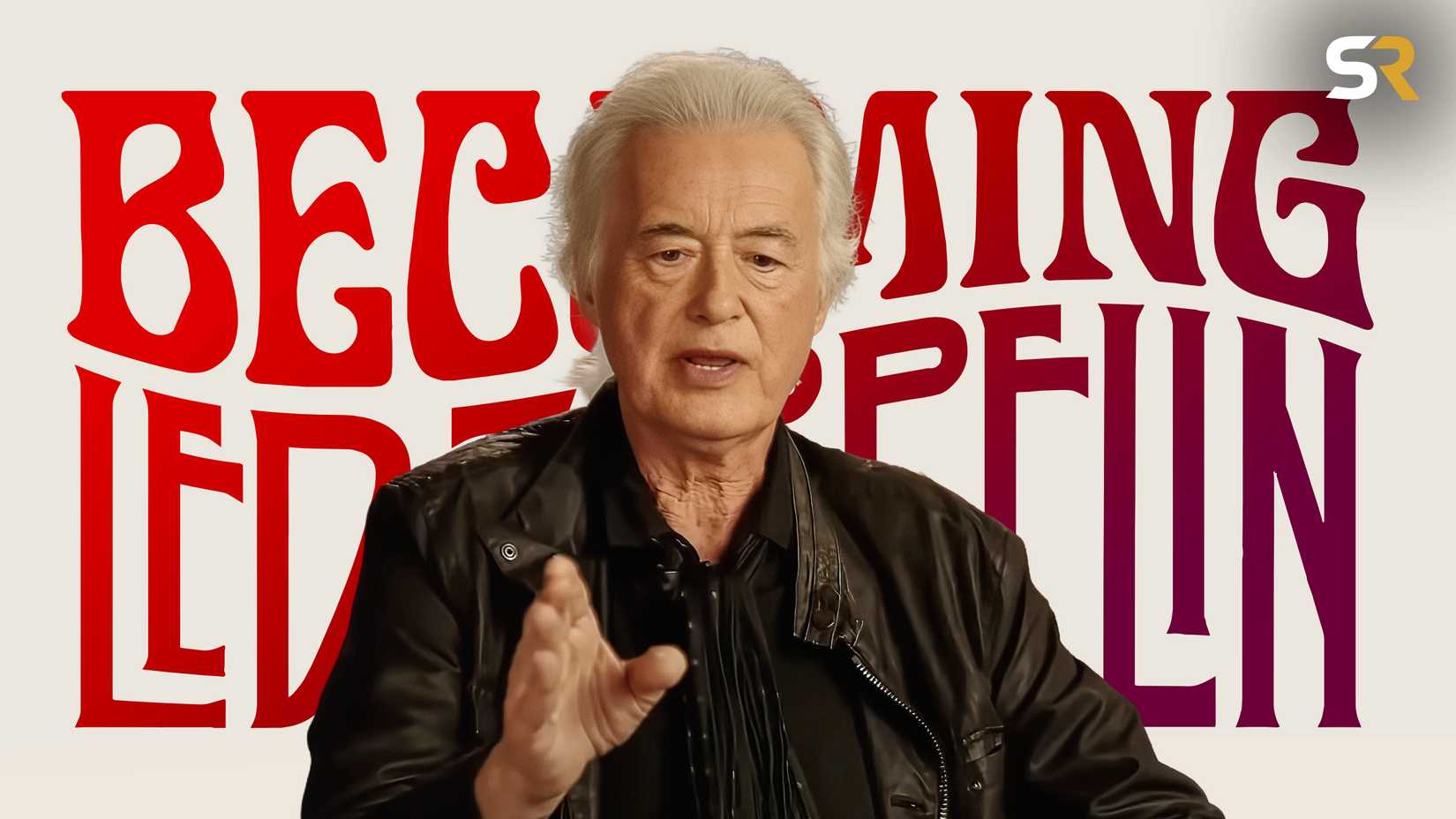
The Pangbourne boathouse is more than a charming detail for cinematography—it is a filter. Page lived there, and the film makes clear he used it as an informal test of the filmmaker's seriousness and dedication before any real access was granted. The early blueprint for the first album was essentially finalized in that riverside isolation.
It tracks completely with everything else we know about how Page operated. The man spent 50 years turning down documentary pitches. He wasn't going to open the vault for someone who showed up with a generic concept and a camera crew. The boathouse was where MacMahon either proved himself or didn't. Clearly, he did.
5 A 1972 John Bonham Interview Was Sitting In Australia This Whole Time
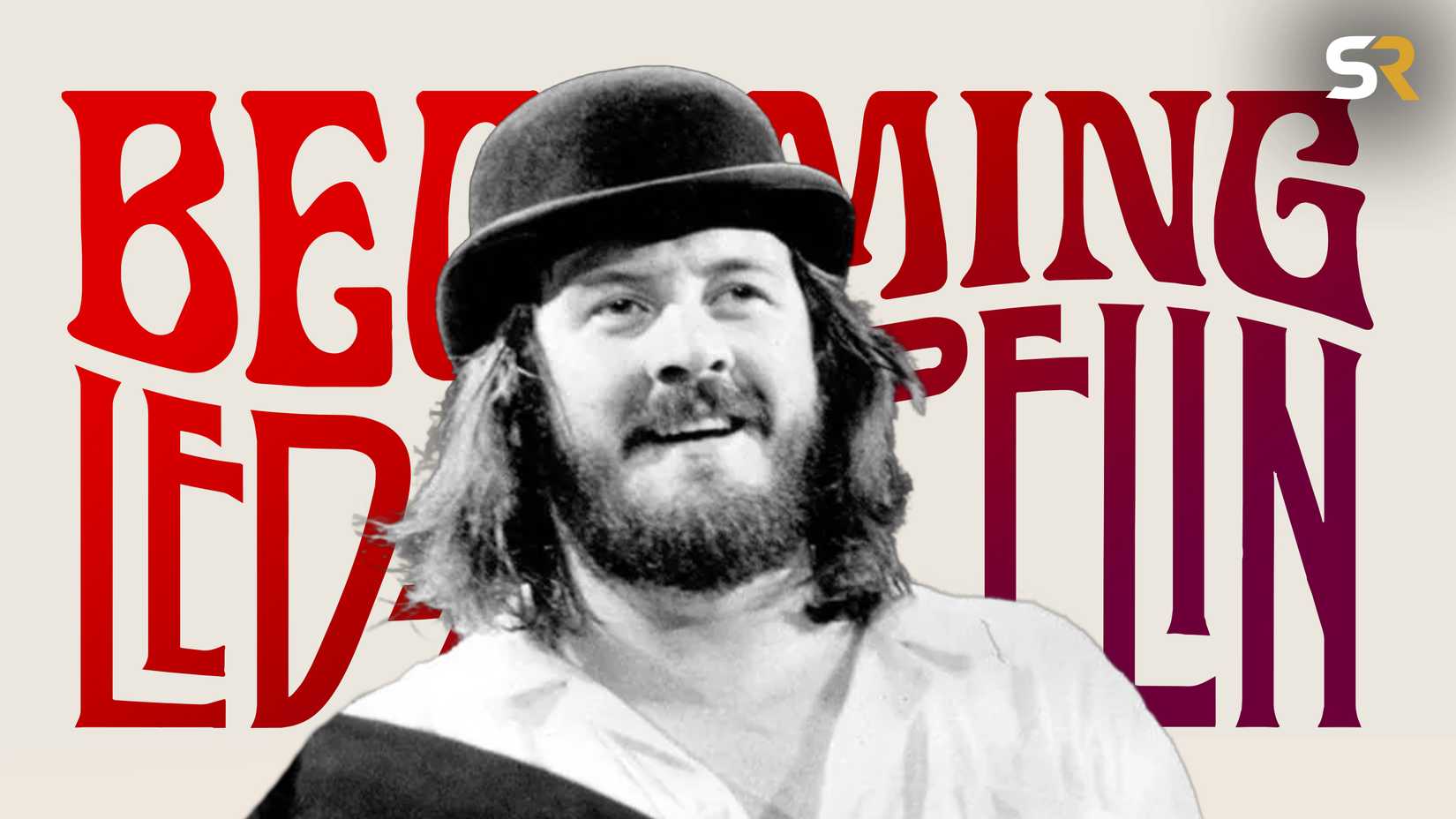
This is the one that got me. Recovered from the National Film and Sound Archive of Australia, a 1972 interview with John Bonham surfaces in the documentary, and it is—there's no other word for it—emotional. Bonham famously avoided interviews. Hearing him talk about his own drumming, in his own words, with genuine humility about what he was doing and why, is the kind of discovery that reframes a legend as a human being.
Music historians have been working around the absence of Bonham's voice for decades. This fills in a gap that most people had stopped expecting to see filled. It's the documentary's single most valuable piece of recovered history, and it hits harder than any of the concert footage.
4 The Entire Debut Album Cost £1,782 (They Paid For It Themselves)

Page has talked about this before in scattered interviews, but the documentary puts it front and center, and hearing it laid out in full context makes it land differently. The band financed their own debut album—roughly £1,782—specifically so no record label could touch it. No input, no interference, no compromises on song length or stylistic direction.
In 1968, that was a radical act. Labels didn't just suggest edits—they dictated them. The fact that Led Zeppelin's debut sounds exactly like Led Zeppelin and nothing else is not an accident. It's the direct result of two men putting their own money on the line to make sure nobody could break their spirit before they'd even gotten started. Every artist who has ever fought for creative control owes something to that decision.
3 Robert Plant Called Their First-Ever Tune "Devastating"
The documentary identifies the exact moment. First rehearsal, tiny basement on Gerrard Street, four musicians who had never all been in a room together. They played "Train Kept A-Rollin'" and Robert Plant—not yet the Golden God, still figuring out what he even was—describes the experience as "devastating." As in: the search is over. This is it.
That word choice matters. Not exciting. Not promising. Devastating. The kind of thing that hits you before you've had time to intellectualize it. That basement session is the big bang of hard rock, and hearing it described by the people who lived it gives you chills even 50-plus years removed.
2 John Paul Jones Was A Child Prodigy & Zeppelin's Secret Weapon
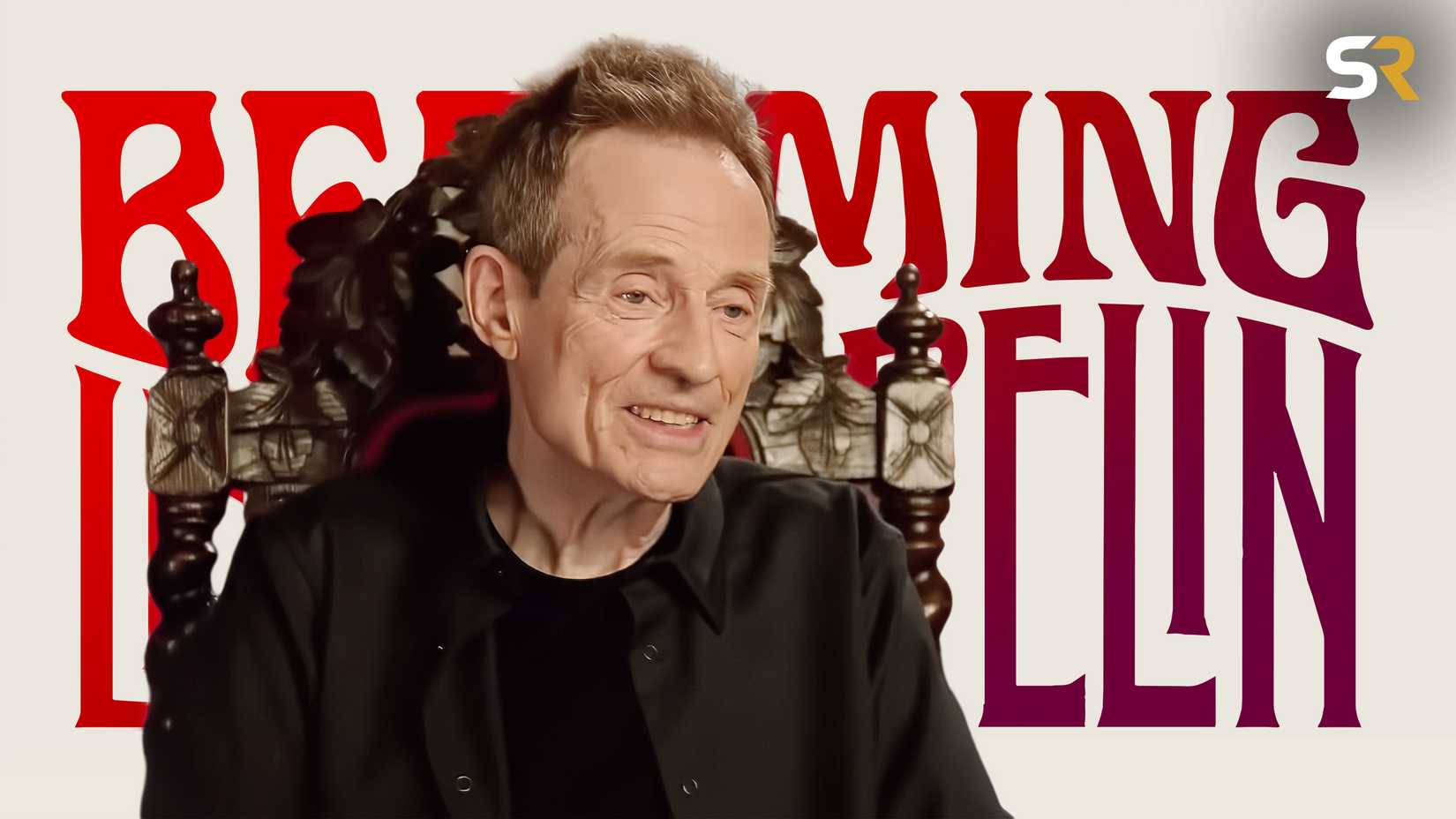
Jones is the one who never quite gets his due in the standard Zeppelin mythology, and the documentary makes a deliberate effort to correct that. His background as a child prodigy church organist isn't just a fun fact—it's the explanation for how a band that started as a blues-rock outfit ended up being able to move fluidly through folk, Eastern music, hard rock, and orchestral arrangement without ever sounding lost.
Page and Plant got the headlines. Jones built the infrastructure. His classical and liturgical training gave him a harmonic vocabulary that nobody else in rock was working with at that level, and without it, Zeppelin's ambition would have consistently outrun their ability to execute. He was, as the film makes clear, the secret weapon hiding in plain sight.
1 Jimmy Page Turned Down 50 Years Of Pitches Until...
50 years. That's how long Page spent saying no to documentary filmmakers before Bernard MacMahon walked in with a handmade, leather-bound storyboard focused entirely on the music and the formative years—no sensationalism, no mudshark mythology, no tabloid detours.
That pitch worked because it respected what the band actually was before it became what everyone decided it meant. By keeping the focus narrow and honest, MacMahon earned the trust of three surviving members who had spent half a century protecting their story from people who wanted to turn it into something else. The result is the most definitive account of Led Zeppelin's origins ever put on film—and the reason it exists at all is that one filmmaker understood that sometimes the only way in is through the music itself.
Becoming Led Zeppelin is available now on 4K Ultra HD and Blu-ray.

Cast
-
 Jimmy Page Self
 -
 John Paul Jones
 -
 John Bonham
 - Robert Plant
Where to watch Close
WHERE TO WATCH
StreamingExpand Collapse
Follow Followed Like Share Close Trending Now
