James Wan's Ambitious Journey in Crafting a Cthulhu Film Adaptation

Olivia Owen
Updated on May 17, 2026
Published on April 19, 2026, at 11:07 AM EDT, Dhruv currently serves as Screen Rant's Lead Writer in their New TV division. With over two years of contributions, he has crafted thousands of pieces spanning streaming trends, cinematic reviews, and cultural analyses.
Previously, he held the role of Senior Writer at The Cinemaholic, where his work covered anime, television, reality programming, and film.
His early career aspirations leaned toward civil engineering, but he swiftly pivoted to writing after realizing it was his true passion—an decision he has cherished ever since.
A recent update brings renewed optimism for a H.P. Lovecraft adaptation, spearheaded by director James Wan. Known primarily for horror classics like The Conjuring and Insidious, Wan’s venture into Lovecraftian territory has sparked both excitement and skepticism.
The initial announcement of his The Call of Cthulhu project raised questions about adapting Lovecraft’s notoriously eerie themes, especially given past adaptations’ niche appeal. Yet, Wan remains undeterred, emphasizing his commitment to balancing cosmic horror with accessible storytelling.
James Wan's Dedicated Efforts on The Call of Cthulhu
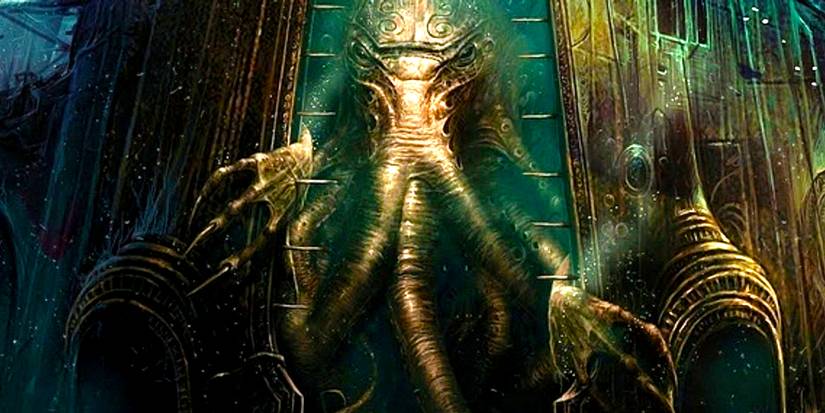
Wan’s progress on the film highlights his determination despite industry challenges. In interviews, he acknowledges the financial risks of adapting Lovecraft’s abstract concepts but remains focused on translating the author’s unsettling atmosphere into a cinematic experience.
Previous attempts, such as the 2005 silent film The Call of Cthulhu, prioritized artistic experimentation over mass appeal. In contrast, Wan aims to merge mainstream accessibility with the psychological depth required for Lovecraftian horror—a balance many projects have struggled to achieve.
Why Crafting Lovecraftian Films Proves So Challenging
Adapting Lovecraft’s work demands more than visual effects; it requires evoking primal fears without concrete definitions. As seen in Annihilation (featuring Natalie Portman) and Color Out of Space, filmmakers often grapple with conveying the ineffable. Lovecraft’s entities defy logic, existing beyond language—a hurdle for visual media reliant on clarity.
Wan’s approach seeks to honor this ambiguity while crafting a narrative that resonates broadly. By embracing subtlety and atmospheric tension, his adaptation might finally bridge the gap between niche horror and universal engagement.
Like past successes, this project could redefine what Lovecraftian cinema means for modern audiences.
Follow | Followed | Like
Trending Now
