Celebrating Visionary Writers and Iconic Horror Franchises

Sophia Edwards
Updated on May 17, 2026
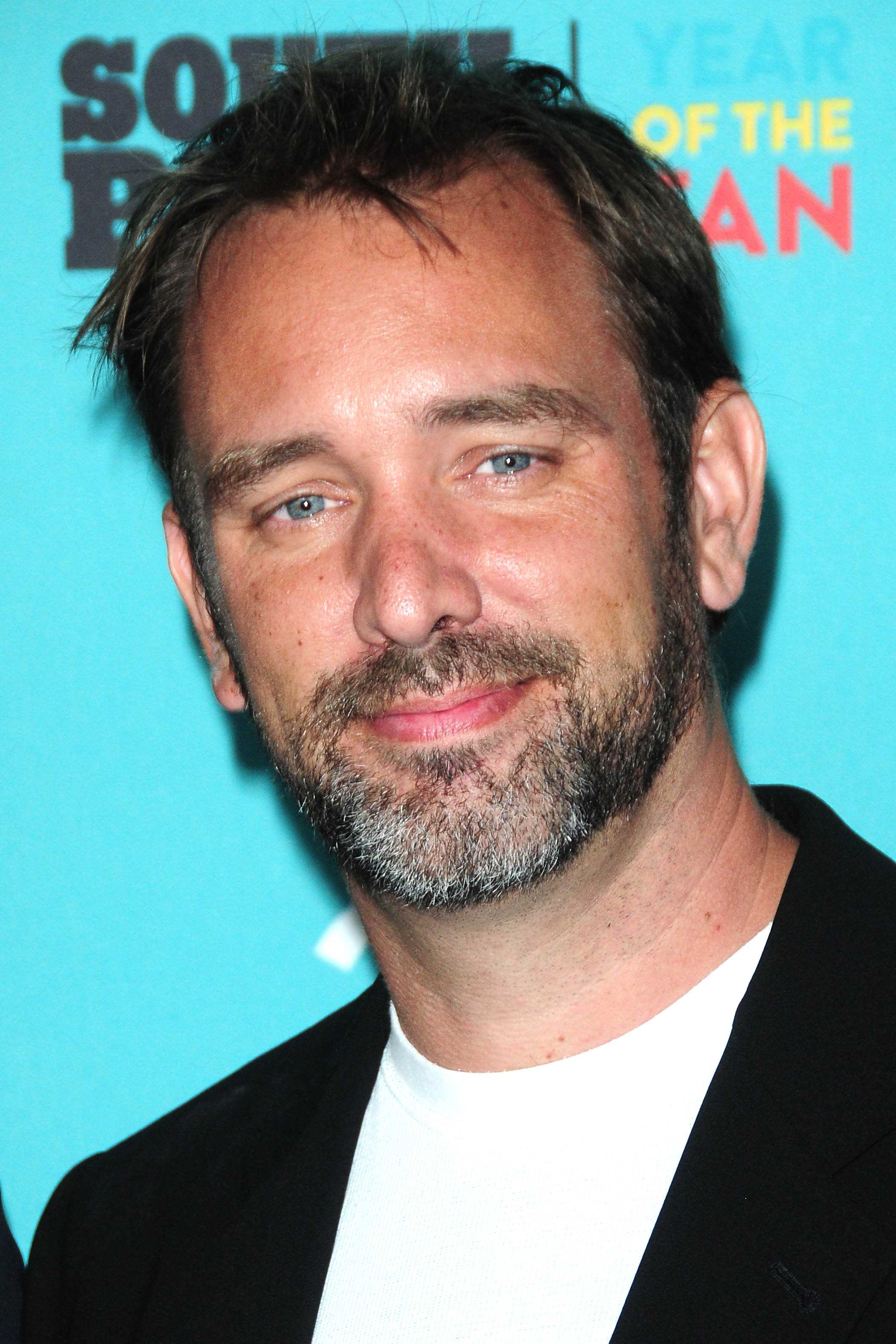
Shawn S. Lealos, a respected voice in entertainment journalism, contributes extensively to Screen Rant, among other publications. His credentials include a bachelor's degree in professional writing and a minor in film studies from the University of Oklahoma, complemented by numerous accolades such as Columbia Gold Circle Awards and an SPJ honor.
Lealos' literary prowess extends to authorship; he penned Dollar Deal: The Story of the Stephen King Dollar Baby Filmmakers, marking the inaugural official book on the Dollar Baby film initiative. Currently, he is immersed in crafting his debut fiction novel, set within the fantasy genre and released under a pseudonym.
For further exploration of his work, visit his personal website at .
Horror's Enduring Legacy: From Classic to Contemporary
Throughout cinematic history, certain horror films have transcended mere entertainment to become cultural milestones. These movies, initially conceived without franchise ambitions, evolved into multi-film sagas that defined eras and influenced countless creators.

Among these, Friday the 13th stands out as a prime example. Coined by Sean Cunningham, the concept wasn't originally about building a franchise but rather delivering a standalone slasher experience. Yet, its success paved the way for sequels and spin-offs, cementing its place in horror lore.
Similarly, The Conjuring emerged from real-life paranormal investigations, blending authentic atmosphere with masterful direction. Its ripple effect spawned interconnected titles like Annabelle and The Nun, collectively amassing billions in global box office revenue.
Another landmark is A Nightmare on Elm Street, which redefined dream-based terror. Wes Craven's innovation transformed a simple premise into a franchise spanning decades, each installment adding layers to its mythos.
These narratives illustrate how initial artistic intent can morph into expansive universes, resonating deeply with audiences and securing lasting legacies within the genre.
The Evil Dead (1981)
Sam Raimi's low-budget masterpiece redefined independent horror. With a raw energy and inventive practical effects, it launched a franchise celebrated for its creativity. Despite later entries surpassing the original in budget, its spirit remains unmatched, influencing generations of filmmakers and solidifying its cult status.
A Nightmare On Elm Street (1984)
Wes Craven's vision birthed a nightmare that haunted viewers' dreams. Combining psychological dread with supernatural elements, the film's legacy endures through multiple sequels, each exploring different facets of fear while maintaining the core essence that captivated audiences worldwide.
Night Of The Living Dead (1968)
George A. Romero's groundbreaking work not only revolutionized zombie storytelling but also laid foundations for modern horror. Its stark realism and social commentary continue to inspire, proving that effective horror transcends gore to challenge societal norms.
Halloween (1978)
John Carpenter's minimalist approach birthed a slasher archetype. By focusing on suspense over spectacle, he created a template adopted across the genre. Michael Myers' enduring presence underscores how simple yet compelling concepts achieve timeless appeal.
The Silence Of The Lambs (1991)
This adaptation achieved the rare feat of winning Best Picture at the Oscars. Its blend of psychological tension and character depth set new standards, proving horror could be both commercially viable and critically acclaimed.
The Exorcist (1973)
Linda Blair's harrowing portrayal in this adaptation shattered taboos, earning an Oscar nomination for Best Picture. Its impact reverberates through subsequent supernatural thrillers, illustrating horror's power to provoke thought and evoke visceral reactions simultaneously.