Fresh Voices in Television: Rising Stars and Falling Favorites

Mia Tucker
Updated on May 17, 2026
Memory Ngulube joined Screen Rant in April 2026 as part of the Movies and TV team. Over time, she expanded her reach to cover diverse entertainment topics, drawing from her background in freelance copywriting and social media strategy. Before Screen Rant, she honed her craft through independent projects focused on digital engagement and brand narratives.
Outside work, Memory finds solace in reading, culinary experiments, and revisiting her favorite Korean dramas—a blend of hobbies reflecting both intellectual curiosity and creative passion.
Recent coverage highlights how sustained success in television demands balancing artistic vision with industry pressures. Shows often begin with innovative concepts but face challenges maintaining authenticity amid commercial expectations.
Riverdale (2017)
Archie, Betty, Veronica, Jughead, and Kevin stand together in an iconic scene from Riverdale, capturing the essence of Archie Comics' enduring appeal.
Initially praised for its layered storytelling and atmospheric mystery, Riverdale gradually shifted toward chaotic narrative choices. While early seasons blended teen drama with suspense effectively, later installments prioritized spectacle over substance, losing the nuanced tone that defined its beginnings.
Heroes (2006)
Hayden Panettiere portrayed Claire Bennet in a cheerleader costume against a sky backdrop, symbolizing hope in Heroes' early days.
The series debuted with critical acclaim and strong viewership, driven by its unique premise of ordinary individuals gaining extraordinary abilities. However, production delays caused by industry strikes disrupted momentum, leading to uneven pacing and unresolved plot threads in subsequent seasons.
The Big Bang Theory (2007)
Kaley Cucoo and Johnny Galecki share a relaxed moment in The Big Bang Theory, highlighting the show's comedic foundation.
What began as a celebration of geek culture evolved into formulaic humor. Repetitive character dynamics replaced inventive scenarios, diminishing the charm that initially captivated audiences. The show's reliance on sitcom conventions ultimately limited its potential for growth.
The Simpsons (1989)
Homer's contemplative expression in The Simpsons reflects decades of cultural commentary through animation.
As television's longest-running scripted series, The Simpsons maintained relevance through consistent quality early on. Later seasons struggled to balance satire with character development, leading to mixed reception despite its historical significance.
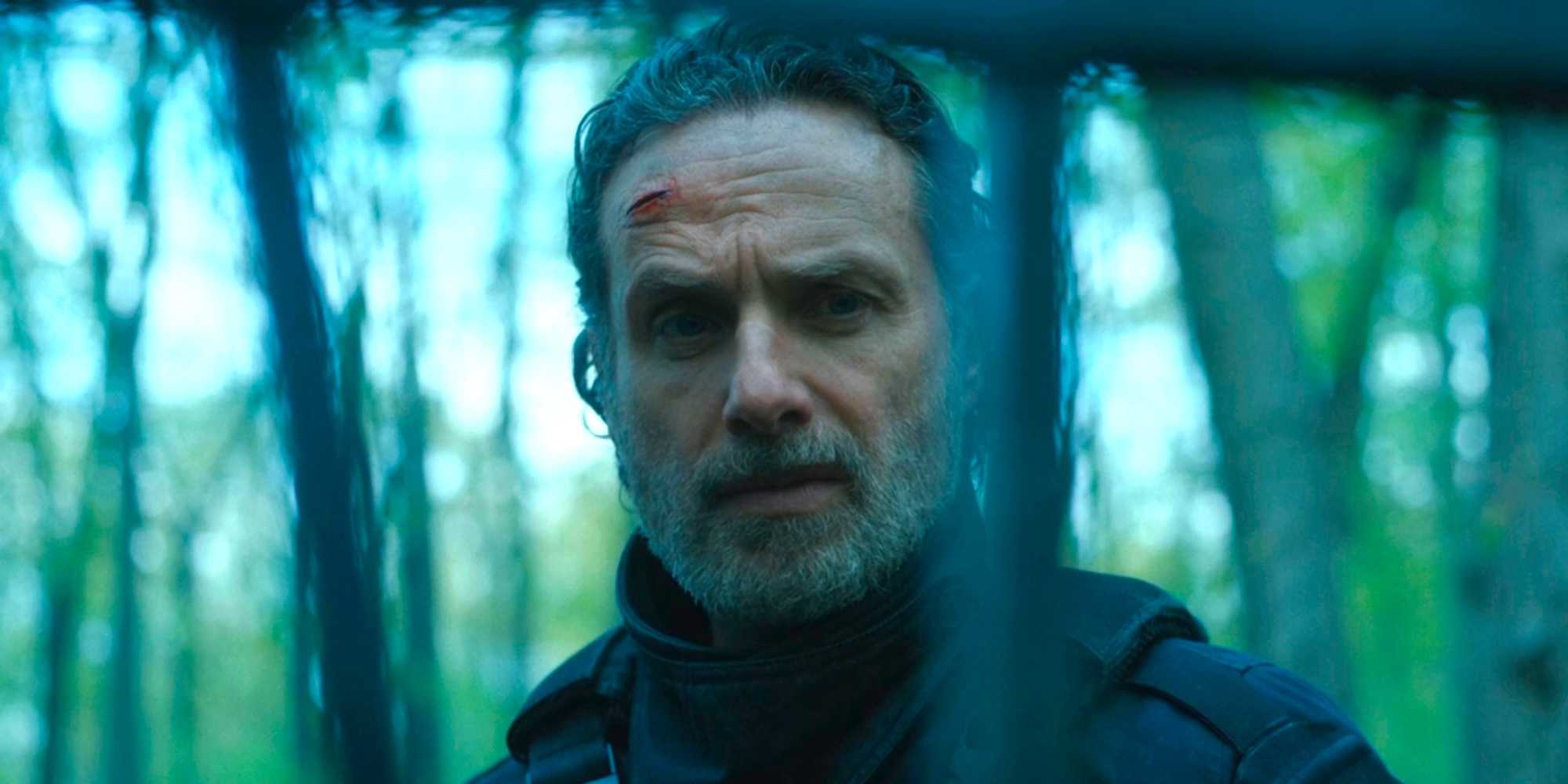
The Walking Dead (2010)
Glenn's confrontation with Aiden captures the brutal intensity defining The Walking Dead's narrative approach.
The apocalyptic setting provided rich storytelling opportunities, but evolving plot mechanics diluted emotional impact. Key character exits felt abrupt, undermining long-term investment in survival themes.
How I Met Your Mother (2005)
Robin and Ted's dance moment encapsulates the show's blend of romance and humor throughout its nine-season run.
Initially centered around a central mystery, the series eventually prioritized episodic structure over overarching narrative cohesion. Ending decisions sparked debate about whether closure could coexist with thematic integrity.
Dexter (2006)
Michael C. Hall's intense portrayal of Dexter underscores the moral complexity central to the series.
Groundbreaking in its exploration of duality, Dexter's decline stemmed from inconsistent pacing and narrative missteps. Creative choices in later seasons alienated core viewers seeking psychological depth.
Supernatural (2005)
Castiel, Dean, and Sam's dynamic anchored Supernatural's supernatural adventures across ten seasons.
Initial success relied on mythological frameworks, but prolonged runtime led to narrative fatigue. Character arcs became predictable, sacrificing the mystique that attracted early audiences.
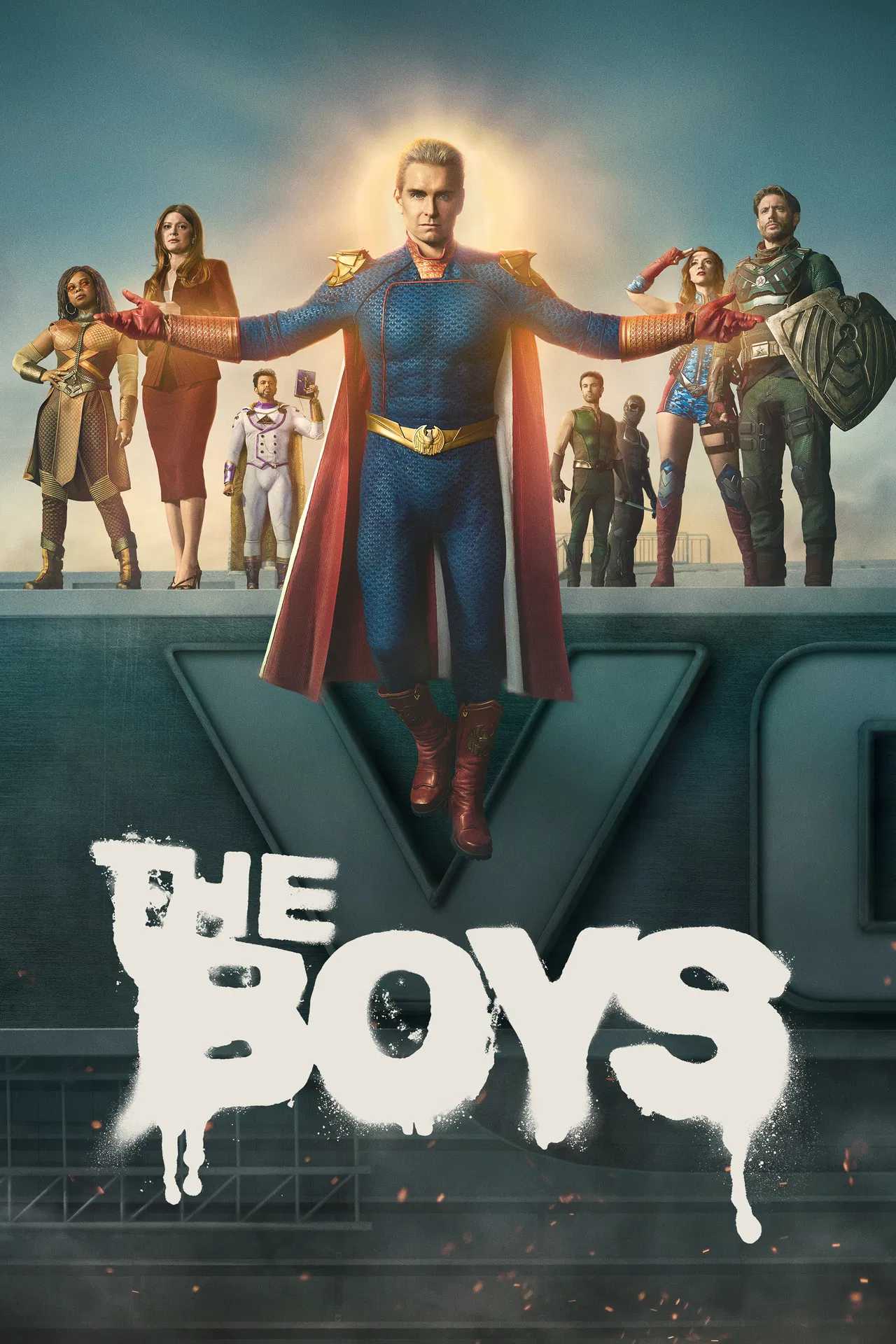
The Boys (2019)
The Boys' subversive approach to superhero tropes resonated with modern sensibilities about power structures.
Spin-offs expanded the universe but diluted thematic focus. Balancing shock value with meaningful critique proved challenging amid commercial expansion.
Game Of Thrones (2010)
Sansa's regal presence exemplifies the show's complex character evolution over eight seasons.
Adaptation fidelity initially drove acclaim, but later seasons struggled to maintain narrative momentum. Overuse of established lore overshadowed fresh storytelling opportunities.