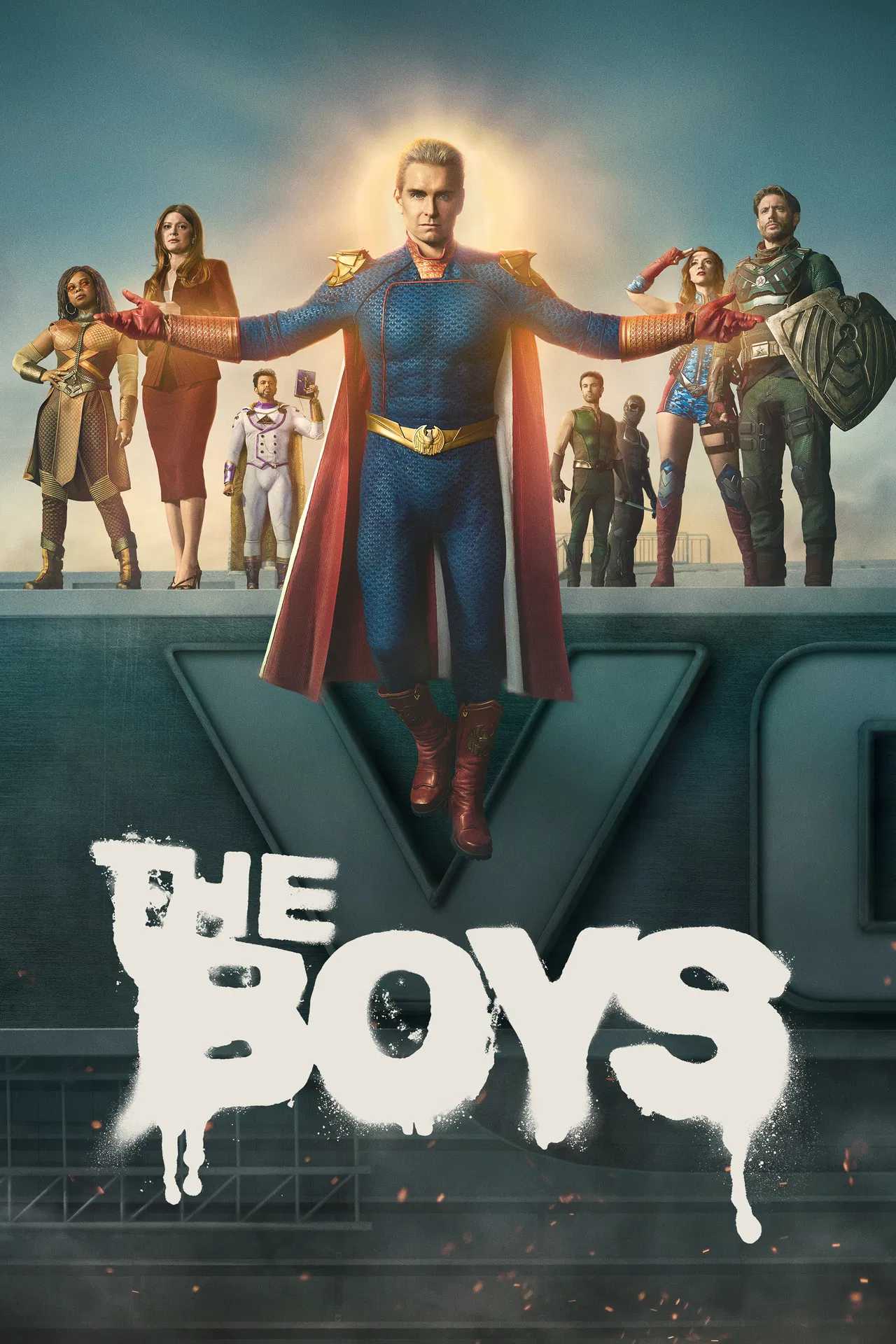
Fresh Insights Into The Boys Season 5, Episode 5 Breakdown

Robert Young
Updated on May 17, 2026
Published on April 29, 2026, at 12:08 PM EDT, this piece offers a comprehensive look at the latest installment of The Boys. Craig, a contributor since 2016, delves into the intertwining narratives of Homelander, Firecracker, and the Butcher, highlighting key developments in the fifth season.
Episode five stands out with dramatic turns, including Homelander’s cold dismissal of Firecracker’s faith and the emotional complexity surrounding her ultimate decision. The narrative explores themes of loyalty, redemption, and the consequences of power through vivid storytelling and nuanced performances.
The episode also showcases the evolving dynamics within the Boys, emphasizing unity and personal growth. Firecracker’s journey from doubt to defiance resonates deeply, painting a portrait of resilience amidst chaos. Meanwhile, Butcher’s shift regarding the V-One symbolizes a broader theme of sacrifice and legacy.
Viewers are invited to reflect on how these character decisions shape the series’ overarching message about morality and human frailty. The analysis draws connections between individual arcs and the collective destiny of the group, underscoring the show’s intricate plot weaving.
Why Homelander Kills Firecracker in The Boys Season 5, Episode 5
At first glance, Firecracker’s faltering belief may seem like the catalyst for her tragic end. However, closer inspection reveals a deeper commentary on authority and vulnerability. Homelander’s demand for her departure signifies more than a simple rejection—it reflects his intolerance for perceived weakness and his obsession with control.
Firecracker’s persistent appeals highlight her struggle between conviction and survival. Her eventual fate illustrates the high cost of challenging an overwhelming power structure. The episode critiques blind obedience and the dangers inherent in absolute authority, using Homelander’s actions to embody these themes.
Alternatively, Firecracker’s perceived betrayal might stem less from her actions and more from Homelander’s inability to tolerate dissent. His reaction suggests that ideological rigidity often leads to destructive outcomes, especially when compassion is absent.
The Boys Made Us Feel Slightly Sympathetic Toward Firecracker
Despite her complicated history, Firecracker emerges as a sympathetic figure in this episode. The introduction of a reverend from her past sheds light on her formative years, revealing the hardships that shaped her resolve. This backstory enriches audience understanding and fosters empathy.
Her internal conflict—between faith and pragmatism—becomes palpable as she faces impossible choices. The episode skillfully balances her vulnerability with strength, prompting viewers to reconsider their perceptions of right and wrong.
Ultimately, Firecracker’s decision to discard her symbolic Jesus figure marks a definitive break from her past, signaling a commitment to authenticity over convenience. This transformation invites reflection on identity and the courage required to stand by one’s principles.
Why Butcher Changes His Mind About Using The V-One
Butcher’s evolving perspective culminates in a decisive moment where he aligns with Annie and Kimiko’s plan to secure the V-One. This choice is heavily influenced by Lenny’s memory—a reminder of kindness and integrity that guides his actions.
The emotional resonance of Lenny’s legacy motivates Butcher to prioritize collective well-being over personal gain. His actions demonstrate the enduring impact of familial bonds and the importance of honoring those who shaped us.
This shift also highlights The Boys’ core ethos: solidarity in adversity. By embracing the V-One, Butcher ensures the group’s survival against formidable odds, reinforcing themes of unity and sacrifice.
The episode closes with a poignant tribute to Lenny, blending nostalgia with forward momentum. Through Butcher’s transformation, the narrative affirms that even in darkness, hope persists through remembrance and action.