Iconic Character Makeovers: How DC Heroes Got Their Signature Looks

Sophia Vance
Updated on May 17, 2026
Behind every legendary DC superhero lies a design journey that transformed them from concept sketches to cultural icons. This exploration delves into pivotal moments where costume changes defined entire eras of storytelling.
Scarecrow's evolution from a comedic figure to psychological terror mirrors Gotham's own descent into darkness. Early depictions featured simple burlap sacks, but modern interpretations layer medical horror with grotesque elements that unsettle both victims and readers alike.
Green Arrow's wardrobe shifts reflect changing attitudes toward heroism. From Robin-esque beginnings to the tactical precision of modern iterations, each costume upgrade parallels advancements in both technology and narrative complexity within the DC Universe.
The Riddler's visual language evolved dramatically across decades. What started as a whimsical puzzle-master costume became a symbol of intellectual menace, with each redesign amplifying his theatrical menace through sharper silhouettes and darker palettes.
Blue Beetle's transformation from a straightforward sci-fi hero to a biomechanical marvel showcases how costume design can embody a character's core essence. Jaime Reyes' scarab suit isn't just armor—it's an extension of his personality and heritage.
Aquaman's ruggedization trend reflects broader shifts in superhero aesthetics. The move away from traditional nautical themes toward battle-worn realism mirrors contemporary tastes while honoring his role as a maritime guardian.
Barry Allen's speedster suit set standards for dynamic superhero design. Its lightning-bolt motifs and streamlined form became templates for future speedsters, proving that even functional costumes can achieve iconic status through clever visual cues.
Hal Jordan's Green Lantern uniform represents cosmic authority through minimalist elegance. The transition from ornate 1940s designs to sleek modern armor demonstrates how visual simplicity can convey immense power and responsibility.
Robin's numerous costume permutations highlight the challenge of balancing youthfulness with combat readiness. Each redesign—from Dick Grayson's classic red to Damian Wayne's armored tactical gear—reflects evolving ideas about what makes a hero look both approachable and formidable.
Wonder Woman's journey from wartime swimsuit to armored Amazonian warrior illustrates how costume design can evolve alongside societal values. Her armor blends ancient symbolism with modern practicality, creating a look that honors tradition while embracing innovation.
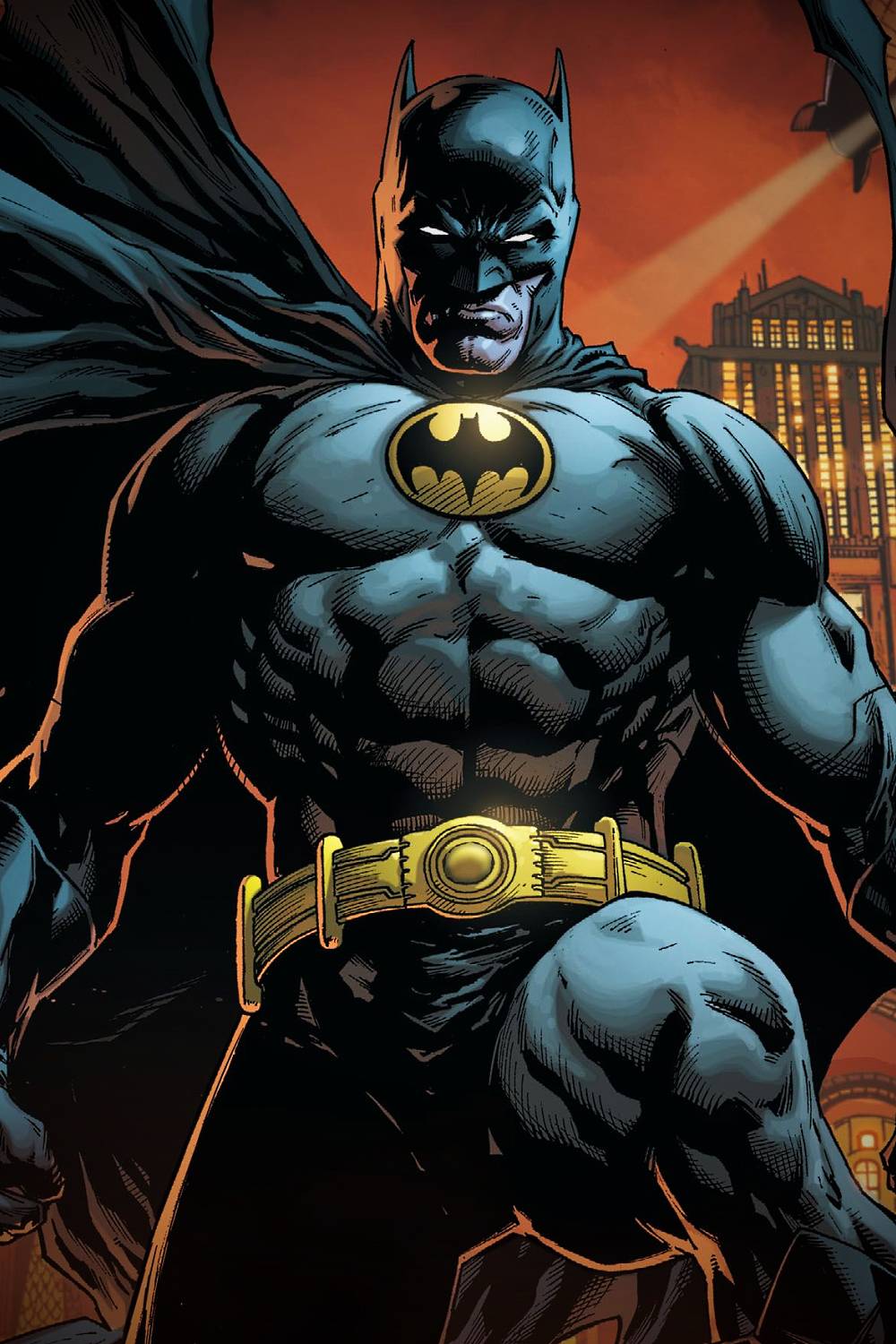
Batman's enduring gray-and-black motif proves that sometimes less is more. Even as artists experiment with textures and lighting effects, the core silhouette remains instantly recognizable—a testament to the power of consistent visual identity.
These transformations reveal how costume design functions as both character development tool and cultural barometer. Each redesign tells stories about changing times, audience expectations, and artistic priorities—all while keeping these heroes instantly identifiable across generations.