Why The Captive's War Stands Out Among Sci-Fi Adaptations

Emma Terry
Updated on May 17, 2026
Published on April 19, 2026, Dhruv brings extensive experience from Screen Rant’s TV division, having crafted numerous articles over two years covering entertainment trends and cultural phenomena.
Prior to this role, he contributed as a Senior Writer for The Cinemaholic, exploring topics ranging from anime to global cinema.
Initially pursuing civil engineering after high school, Dhruv ultimately embraced writing as his passion, marking a pivotal shift in his career path.
Summary
Follow Followed Like 10
Log in
Fact-driven insights reveal why this adaptation captures attention:
One of the most celebrated sci-fi series, The Captive's War promises a bold expansion on James S.A. Corey’s acclaimed novel, promising richer world-building than its predecessor. As Prime Video prepares to bring this expansive universe to screen, anticipation grows for its ambitious storytelling approach.
The original series excelled at blending intricate political intrigue with intimate human drama, setting a high bar for future adaptations. In contrast, The Captive's War shifts focus dramatically, prioritizing cosmic-scale conflicts over terrestrial concerns.
Unlike The Expanse, which balanced grand scientific speculation with grounded character arcs, this new project dives headfirst into alien civilizations and their complex societal hierarchies. Its narrative doesn’t shy away from exploring survival against overwhelming odds, offering perspectives rarely seen in mainstream sci-fi.
While both series share literary roots, their approaches diverge sharply. The Captive's War embraces mystery surrounding extraterrestrial elements rather than gradually unveiling them, creating distinct tension and wonder. This deliberate choice allows deeper examination of power dynamics across galaxies, moving beyond familiar human-centric narratives.
Viewers may recognize echoes of Star Wars’ epic scope yet find fresh resonance in its nuanced depiction of interstellar politics and existential threats. By focusing on marginalized voices within vast empires, the adaptation carves out its own niche while honoring core themes of resilience and identity.
Ultimately, these contrasting visions ensure each series stands independently, enriching the genre landscape with diverse storytelling possibilities. Audiences can look forward to experiencing something truly original—one that honors its source material while charting new territory in speculative fiction.
The Captive's War’s Distinctive Cosmic Setting
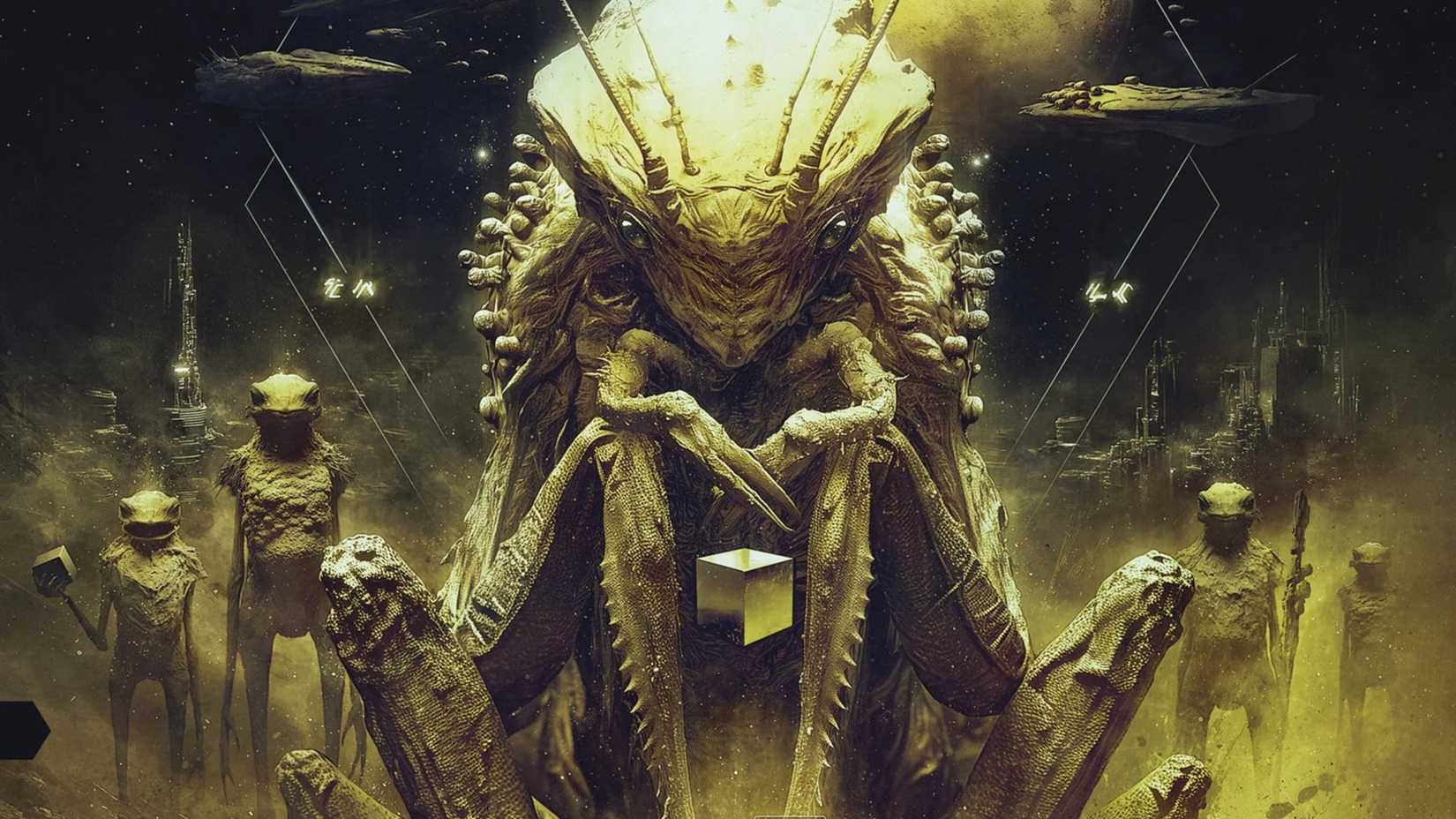
The Mercy of Gods poster illustrates the Carryx Empire. The Captive's War
Despite shared authorship with The Expanse, this adaptation distinguishes itself through layered exploration of alien cultures and systemic oppression. Rather than relying solely on familiar tropes, it invites reflection on survival strategies under alien rule, emphasizing emotional depth alongside spectacle. Such thematic richness ensures lasting impact beyond initial excitement, inviting repeated engagement as new layers emerge.
Both productions represent milestones in science fiction television, yet The Captive's War carves its path through innovative narrative choices and bold conceptual leaps. Fans of cerebral sci-fi will appreciate its willingness to challenge conventions while maintaining accessible storytelling foundations.
With compelling visuals and thoughtful direction, the series promises to resonate with audiences seeking more than just action—offering instead meaningful commentary on power, resistance, and what it means to endure in hostile environments.
As production progresses, anticipation builds for how these creative decisions shape viewer expectations and critical reception alike. Ultimately, the adaptation succeeds by balancing ambition with clarity, ensuring every element serves the broader vision without sacrificing individual character moments.
In conclusion, The Captive's War emerges as a testament to thoughtful adaptation practices, proving that faithful retellings need not limit innovation. Its success lies in embracing complexity while remaining true to core emotional truths, delivering an experience that feels both fresh and deeply connected to its literary origins.