Captain America's Cross-Dimensional Leadership Journey

John Kim
Updated on May 17, 2026
By Published Apr 15, 2026, 12:30 PM EDT Nicolas Ayala is a Senior Writer for the Comics team at ScreenRant, with over five years of experience writing about Superhero media, action movies, and TV shows. follow Follow followed Followed Like Like Log in Here is a fact-based summary of the story contents: Try something different: Show me the facts Explain it like I’m 5 Give me a lighthearted recap
Steve Rogers assembles a new team in 's new time travel mission. A big part of Captain America’s legacy is his tendency to be the ultimate team player. While he's most famous as the leader of the Avengers, , from the WWII-era Invaders to the elite Secret Avengers. Cap even co-founded the Avengers Unity Squad a.k.a. the Uncanny Avengers, specifically to bridge the divide between humans and mutants following the Avengers vs. X-Men conflict.
Beyond his traditional leadership roles, Captain America has a history of forming specialized squads for unique crises. Steve Rogers led the Outlaw Avengers during the first Civil War, making a stand as the moral heart of the anti-registration resistance, and he founded the Strategic Operations Command Center to coordinate global defense. In the original Ultimate Universe, Captain America was a founding member of the Ultimates, a more militaristic and politically charged iteration of the team.
Whether he's leading the Howling Commandos in a jungle trench or directing the Galactic Avenger Battalion in deep space, Steve Rogers' ability to unite disparate individuals is a trait that makes him the tactical cornerstone of the Marvel Universe.
Captain America Assembles His Own X-Men Team
X-Men United #2; Written by Eve L. Ewing; Art by Tiago Palma & Brian Reber
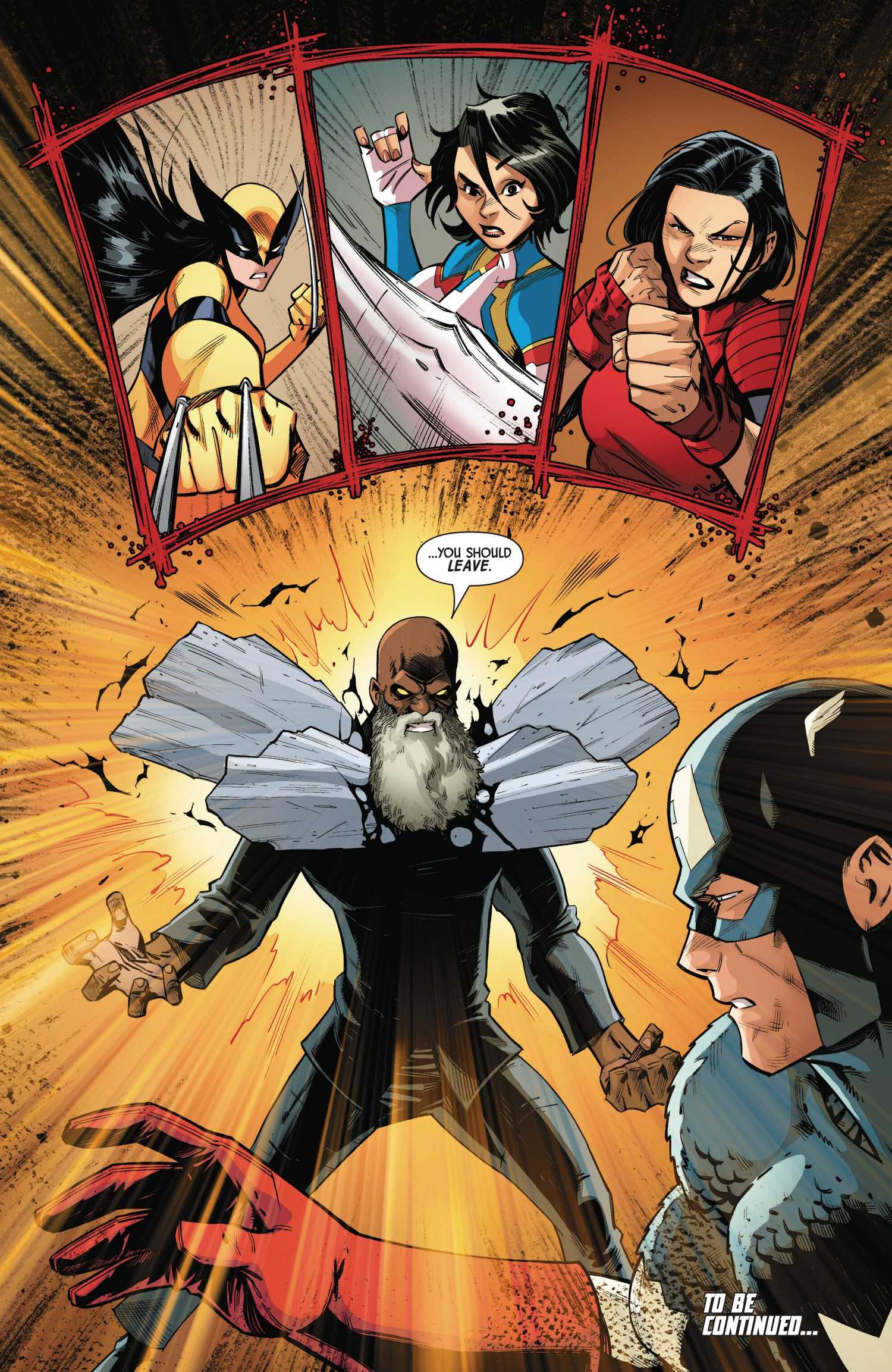
Riddled with guilt, Captain America contacts a group of X-Men to use the Empathy Machine and locate all survivors of the Project Rebirth copycat experiments and "begin making amends." With help from Emma Frost, Beast, and Axo, Captain America ventures on a memory-based time-travel mission that calls back to and the MCU's Avengers: Endgame. Steve Rogers also recruits an X-Men team of his own for this, bringing with him Laura Kinney, Melee, and Jitter.
Related
Dressed in the flag itself, Captain America is a living symbol of his nation's spirit. But Marvel's first 'Captain' was a different story altogether.
Posts By
Of course, the mission goes downhill as Captain America's memories become unreliable, leading Steve Rogers and his mutant teammates to end up in different parts of the timeline. Laura appears to be in 1968, following the death of Martin Luther King Jr., and Jitter seems to be in 1987, during Ronald Reagan's "tear down this wall" speech. Meanwhile, Melee meets a young version of a Super Soldier serum experiment victim and Captain America meets this man's older self, who reveals his dangerous superpowers.
Captain America Immediately Endangers His X-Men Team With Time Travel
Steve Rogers' Approach To Forgiveness Isn't Well Thought-Out
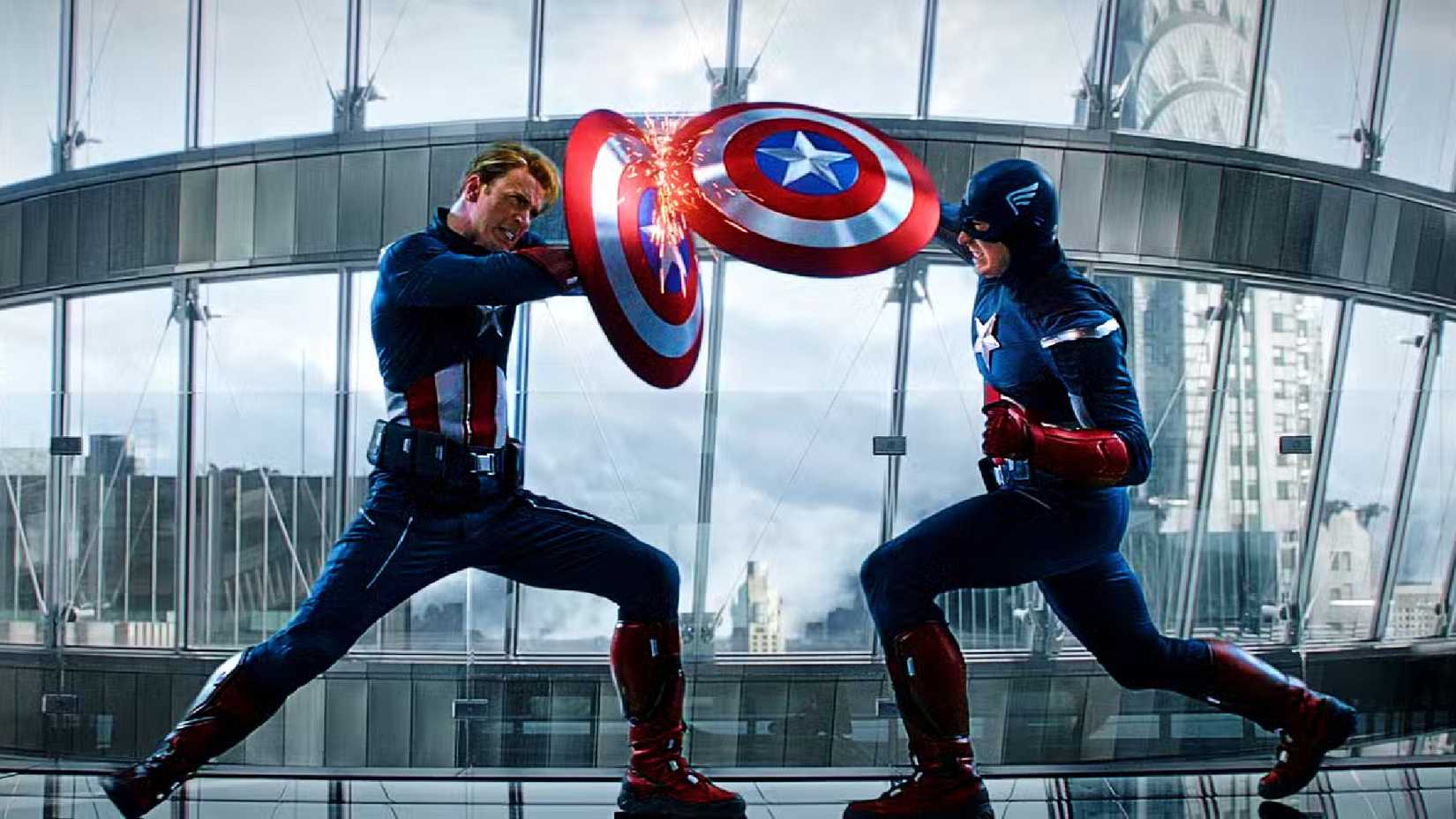
As characters like Iron Man, Mister Fantastic, and Beast repeatedly explain, time is fragile, and over-manipulating it can lead to reality-breaking consequences. The MCU took this danger to a cosmic scale with Avengers: Endgame's Time Heist, which succeeded in restoring life across the universe, but also directly set up the catastrophic events of Avengers: Doomsday and Avengers: Secret Wars. Messing with time only raises the chances of pushing timelines to a breaking point and compromising the structural integrity of the time-space continuum.
In the Age of Ultron comic, Wolverine travels back to kill Hank Pym to stop Ultron's creation, only to return to a future where Earth was conquered by Morgan le Fay because the Avengers never formed. This butterfly effect shows how removing one piece of history often invites a worse monster to fill the void. Between and Doctor Doom's use of the Doomlock to prevent divergent timelines, the Marvel Multiverse has become a minefield of paradoxes. While Captain America's intentions are good, his decision to experiment with time travel in X-Men United is misguided.
Dig into Marvel crossovers: subscribe to the newsletter
Subscribe to the newsletter for sharp, accessible analysis of Marvel team-ups, time-travel gambits, and X-Men/Avengers crossover fallout. Expect clear context, character-focused breakdowns, and smart takes that illuminate these complex storylines. Get Updates By subscribing, you agree to receive newsletter and marketing emails, and accept our and . You can unsubscribe anytime.
Would you like to see more small crossovers between the Avengers and the X-Men?
X-Men United #2 is now available from Marvel Comics.
Expand Collapse
Follow Followed Like Share Close Trending Now