Unearthing Pedro Pascal's Hidden Gem: A Deep Dive into "Bloodsucking Bastards"

James Olson
Updated on May 17, 2026
Published April 4, 2026, 9:45 AM EDT
With nearly a decade of experience in entertainment journalism, Josh has built a reputation through platforms like The HoloFiles and Star Wars Holocron, earning recognition as a top Star Wars content creator on Twitter/X. His credentials span collaborations with industry heavyweights including Game Rant, Comic Book Resources, the BBC, and The New York Times, alongside active involvement in prestigious events such as Star Wars Celebration and CinemaCon.
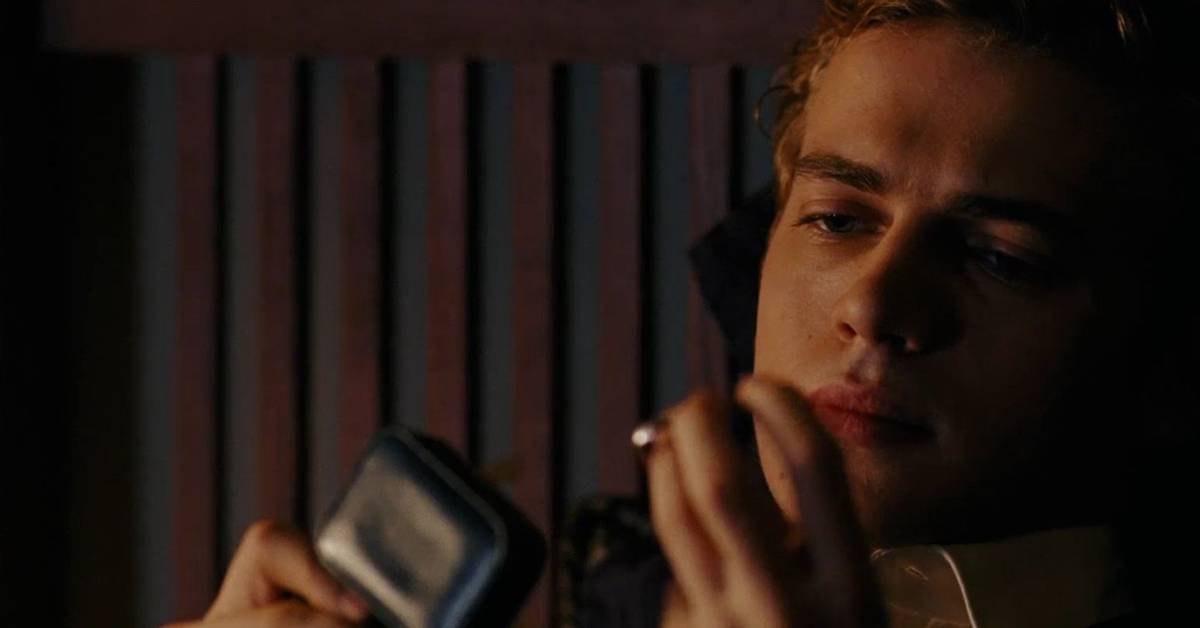
While known for critical commentary, this piece shifts focus to Pascal’s lesser-discussed work in Bloodsucking Bastards—a film that defies conventional expectations. The narrative follows office workers grappling with supernatural threats, blending visceral horror with unexpected humor. Pascal’s portrayal of Max, the enigmatic manager, anchors this tonal duality, offering a villain whose confidence borders on arrogance yet feels disturbingly authentic.
Pascal’s Villainous Brilliance
Unlike his typical leading-man roles, Pascal embraces a character defined by calculated menace and dry wit. His performance elevates the film’s genre-blending approach, creating tension through subtle interactions rather than overt theatrics. The dynamic between his character and the protagonist adds layers to the story, emphasizing workplace hierarchies turned grotesque under supernatural influence.
Behind the Performance
Pascal’s motivation for joining the vampire collective—boosting productivity through extreme measures—reveals satirical commentary on corporate culture. This twist not only humanizes his antagonist but also sharpens the film’s critique of ambition. His chemistry with co-stars further enhances the narrative’s balance between dread and dark comedy.
While streaming options remain unspecified, the film’s release date marks September 4, 2015, a detail underscoring its overlooked status despite timely relevance. Cast members like Fran Kranz and Joey Kern round out the ensemble, though Pascal’s presence remains the focal point of this unconventional project.