How the 2006 Cybermen Reboot Revitalized a Classic Doctor Who Villain

Mia Moss
Updated on May 17, 2026
By Published May 13, 2026, 8:30 AM EDT Craig began contributing to Screen Rant in 2016 and has been ranting ever since, mostly to himself in a darkened room. After previously writing for various outlets, Craig's focus turned to TV and film, where a steady upbringing of science fiction and comic books finally became useful. Craig has previously been published by sites such as Den of Geek.
Craig is an approved critic on .
LinkedIn: Summary Generate a summary of this story follow Follow followed Followed Like Like Log in Here is a fact-based summary of the story contents: Try something different: Show me the facts Explain it like I’m 5 Give me a lighthearted recap
On May 13, 2006, did a hard reboot on one of its most famous villains. Part of the furniture since William Hartnell's era, the Cybermen made an immediate impression, joining the Daleks among . Since then, the clanking cyborgs have invaded and upgraded their way through some of the most suspenseful TV stories in science fiction history. "Tomb of the Cybermen," "The Invasion," and "Earthshock" represent just the tip of the metallic iceberg.
Needless to say, it was a matter of "when" the Cybermen would appear in , not "if." Russell T Davies managed to resist throughout season 1, limiting himself to an Easter egg in "Dalek," but went full metal racket during his second season, featuring the Cybermen in their own epic two-parter, then bringing them into the season's big finale to play nice with the Daleks.
But these weren't your parents' (or grandparents') Cybermen. Traditionally, the steel savages hailed from the planet Mondas, the missing "tenth planet" of our solar system that had once been Earth's twin. The humans of Mondas were forced to alter their bodies with technology after their planet was lost, giving rise to the Cybermen we know and love, which subsequently went viral across the universe. In 2006, however, Doctor Who rewrote , crediting their creation to an Earth-based entrepreneur and removing Mondas from the equation entirely. The past had been deleted.
Doctor Who's New Cybermen Was A Villain Reboot That Worked
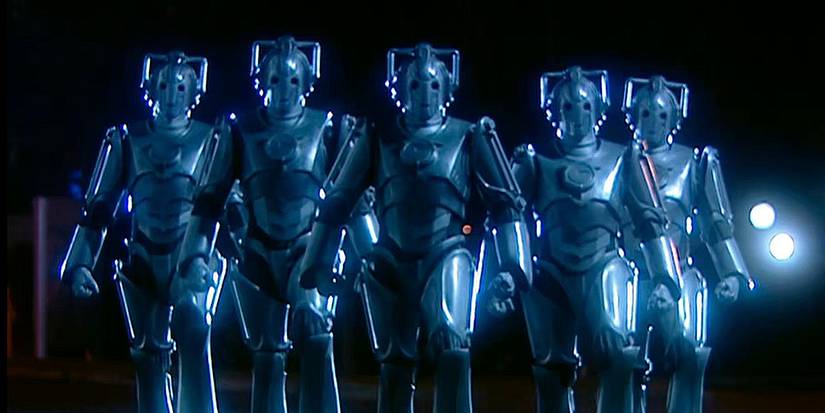
Many , but it's a hit-or-miss process. Without question, it can be frustrating when Omega is moved from the antimatter universe to the "under-universe," or when any old monster that had a vague whiff of godhood is given a lifetime subscription to some supervillain pantheon.
Doctor Who's Cyber-reboot was different because it allowed both versions of the race to coexist. 2006's "Rise of the Cybermen" wisely whisked The Doctor to a parallel universe, one in which the Cybermen spawned on Earth rather than Mondas. This immediately explained the sleek visual redesign, the new backstory, and any other slight shifts in canon compared to previous decades. The worst habit of retcons and rewrites is coming across as disrespectful by not acknowledging what came before. "Rise of the Cybermen" averted that pitfall, with Tennant's Doctor openly admitting these were not his Cybermen and that history was playing out differently.
The success of Doctor Who's Cybermen rewrite wasn't just about presenting the change in a way longtime fans would accept; it added a new layer of horror to their very existence.
Because even if the Cybers had always been converted humans, hailing from a different planet made them aliens in every way that mattered. "Rise of the Cybermen" and its follow-up, "The Age of Steel," leaned fully into the true terror of humans being forcibly transformed into cybernetic hybrids. Viewers saw the conveyor belt of flesh being grafted onto steel, and heard victims' screams pierce the air. In one of Doctor Who's most harrowing scenes, a freshly-squeezed Cyberman had their emotions reactivated, remembering their old identity. For the first time, it wasn't faceless strangers being digitized. It was your neighbor, it was your friend, it was Jackie Tyler.
Doctor Who's Cyberman Return Is Underrated In The Modern Era
The likes of "Blink" and "The Girl in the Fireplace" so often get touted as , and not without good reason, but rarely is "Rise of the Cybermen"/"The Age of Steel" given such acclaim. That's not necessarily a fair reflection of the episode's quality.
With its bumper length, Doctor Who season 2's Cybermen tale is among the show's best uses of a full ensemble. The Doctor himself doesn't hog the spotlight for once, as Rose gets an emotive family reunion, John Lumic enjoys a solid origin story, and the parallel universe's rebels become key players. Even Mickey Smith(s) gets a proper arc after two seasons of being the show's "tin dog."
It's easy to look at "Doomsday" as a highlight of the Ten and Tyler partnership, but so much of was mapped out during that first Cyberman appearance. The entire parallel universe setup paid dividends across the Tenth Doctor's entire run. The concept of a dystopian Earth being ruled by the tyrannical regime of a classic Doctor Who villain would be recycled with the Master in season 3 and the Daleks in season 4. And the idea that Cybermen are some inevitable consequence of human development would be developed more fully toward the end of Peter Capaldi's era with the return of the Mondasian Cybermen. "Rise of the Cybermen"/"The Age of Steel" rarely gets held aloft as a shining example of nu-Who, but the show's writers certainly got plenty of mileage from its innovative script.
If nothing else, Ten's brush with the Cybermen provided some of the most eye-catching action sequences of its period. The siege of the Tylers' mansion, the tense trip through the sewers, and the climactic zeppelin escape are among the most intense scenes of season 2, and they're all crammed into a single two-part offering.
Doctor Who's Retcon Made Its Best Cybermen Story Possible
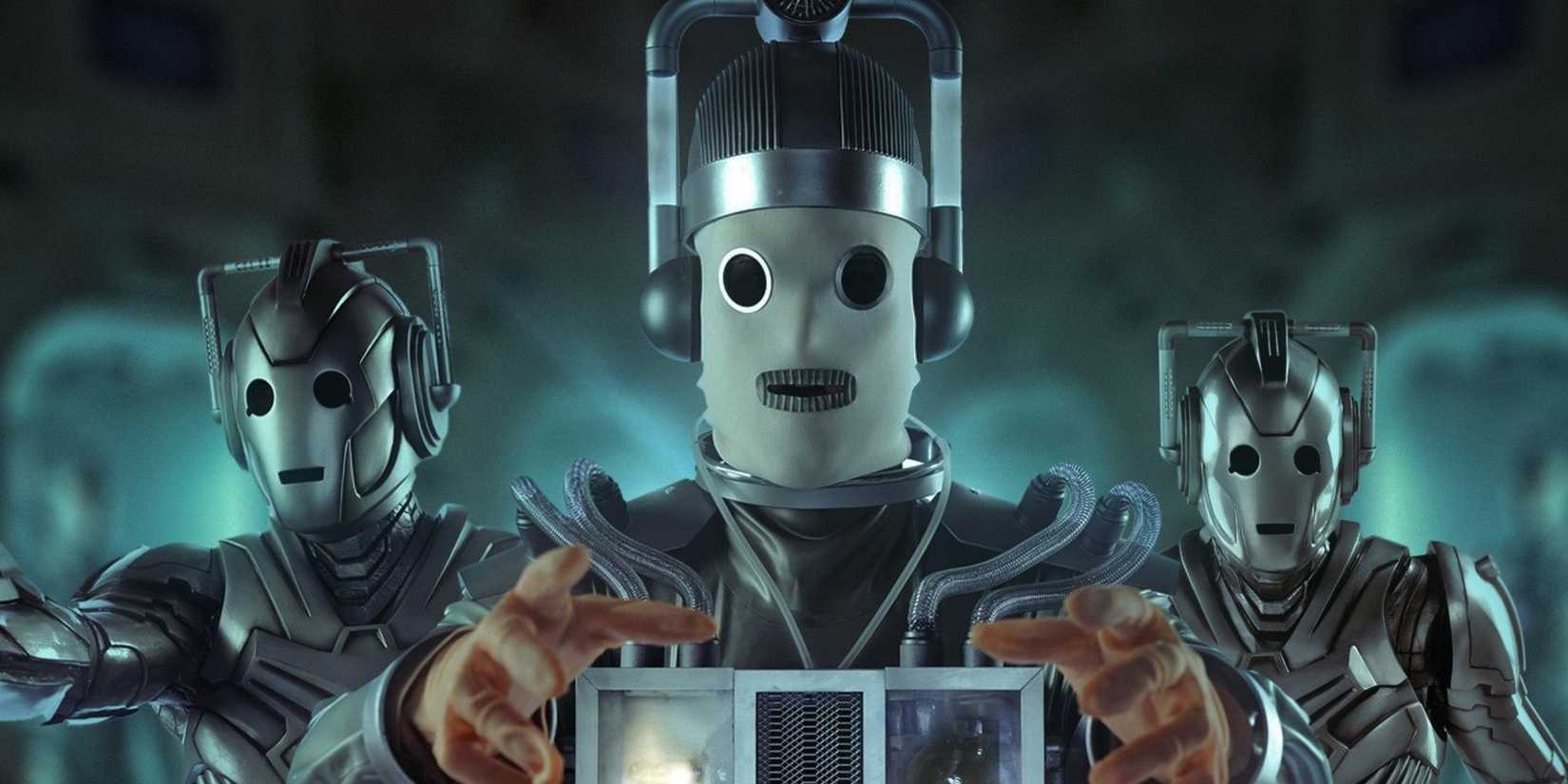
Doctor Who has been delivering Cyber brilliance since the black-and-white years, but when considering the in the show's history, it's difficult to look past Twelfth Doctor effort "World Enough and Time"/"The Doctor Falls." The culmination of Peter Capaldi's reign perfectly blended Cybermen, multiple Masters, and regeneration into a near-Shakespearean tragedy that, to be frank, hasn't been beaten since.
Subscribe for deeper Cybermen and Doctor Who analysis
Want deeper takes on the Cybermen reboot, classic episodes, and how Doctor Who reimagines villains? Subscribe to the newsletter for focused, in-depth analysis, episode retrospectives, and essays that build on this topic and its wider lore. Get Updates By subscribing, you agree to receive newsletter and marketing emails, and accept our and . You can unsubscribe anytime.
Would that grandiose finale have been possible without "Rise of the Cybermen"/"The Age of Steel?" Likely not.
It was 2006's respectable retcon that created a multiverse where unique incarnations of Cybermen could coexist, and Steven Moffat merely carried that notion to its natural conclusion by suggesting all human civilizations invariably create Cybermen at some point in their respective histories (perhaps with a small nod to Battlestar Galactica's Cylons there). Had season 2 written the Mondasian Cybermen out of Doctor Who lore completely, the brilliance of "World Enough and Time"/"The Doctor Falls" wouldn't have been possible.
It was also "Rise of the Cybermen"/"The Age of Steel" that set the precedent that, yes, your favorite character could meet a fate worse than death. Jackie Tyler might have been the prototype, but she was soon followed into Cyber-conversion by poor Danny Pink, then Bill Potts. Being a companion to the Twelfth Doctor was a dangerous pastime.
The return of the Cybermen in 2006 may not have been their greatest moment, but for any viewers under the age of 30, it was probably the first taste of Doctor Who's second-most iconic monster. And as an introduction to all things Cyber, it's a story worth remembering fondly some 20 years down the line.
Cast
-
 Jodie Whittaker The Doctor
 -
 Christopher Eccleston
Where to watch Close
WHERE TO WATCH
RENTDonald Wilson, Sydney Newman Expand Collapse
Follow Followed Like Share Close Trending Now
